Ad

Ad

Progress for group 0 ad

Daniel Metaferiya
Addis Ababa, Ethiopia
Most Ethiopians are accustomed to a morning atmosphere that includes a crowing rooster announcing the break of dawn. With most rural households raising a few chickens to meet their demand for eggs, poultry farming has largely remained a small-scale family operation. However, the tide has begun to turn in recent years amid a sharp rise in demand from cities.


A trio of young female engineering students from Addis Ababa Science & Technology University took note of this evolving trend and decided to offer a lending hand. Under the name Machinova (a blend of machine and innovation), the group of friends set out to establish a company that locally produces agricultural machinery.
Their first target was the poultry sector, where they aimed to manufacture egg incubators domestically. They recognized the potential to significantly reduce costs in the poultry industry by replacing imported incubators with more efficient local alternatives. Hamere Gashaw, co-founder and CEO states the price of a newly imported incubator requires both hefty investments and skilled manpower to operate.


“The older ones lead to lower hatching rates,” Hamere, told Shega.
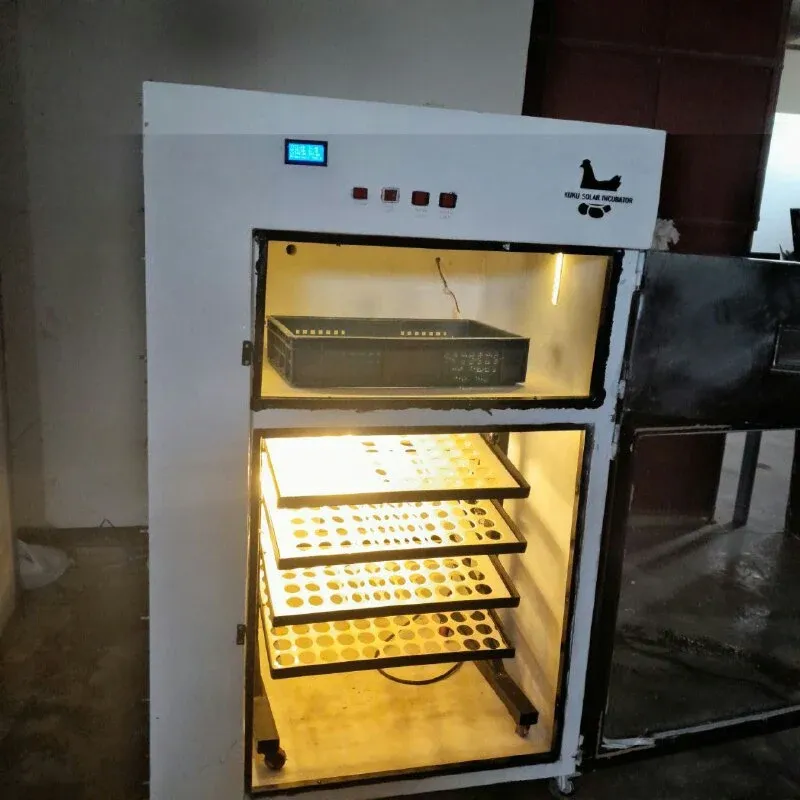
Machinova’s locally manufactured hybrid incubators have the capacity to hold up to 500 eggs at a time and can detect fertile pieces by the fifth day. It utilizes either solar or electric energy sources as part of the company’s sustainable industry goals.
The ambitious CEO pointed out how the older generation of incubators suffered from fluctuating CO2 levels and inconsistent temperatures due to constant human interference. Hamere proudly referred to the automatic feature of Machinova’s incubator which maintains constant temperature with no human interference necessary.
Read more- AgriTech Startup Armada is Building a Marketplace for Farmers to Get Mechanized Services
Following an 18-day stay in the incubator, the eggs are transferred to a controlled separate room for hatching.
“Humidity and carbon dioxide are regulated automatically as well,” Hamere says.
A continuous supply of chickens can be maintained by leveraging the two partitioned incubators which can take up either 120 or 500 eggs. A candling system within the incubator that has installed lights flashes black every time an egg with chicks is identified.
“Our mothers had to pick up an egg and point to the sun,” Hamere says. “Those days are long gone.”
Machinova’s incubator also records data constantly with notifications sent to the owners of significant updates.
Hamere’s two partners (Martha Samuel and Kebron Gizachew) also have prior experience in coming up with a coffee roaster machine back in college which helped in coming up with the incubator’s design.
The CEO indicated that their incubator costs 20,000 birr less than options in the market with further reductions in price expected as they settle more comfortably at their local plant. The enterprise is currently outsourcing a part of the production process to third parties.
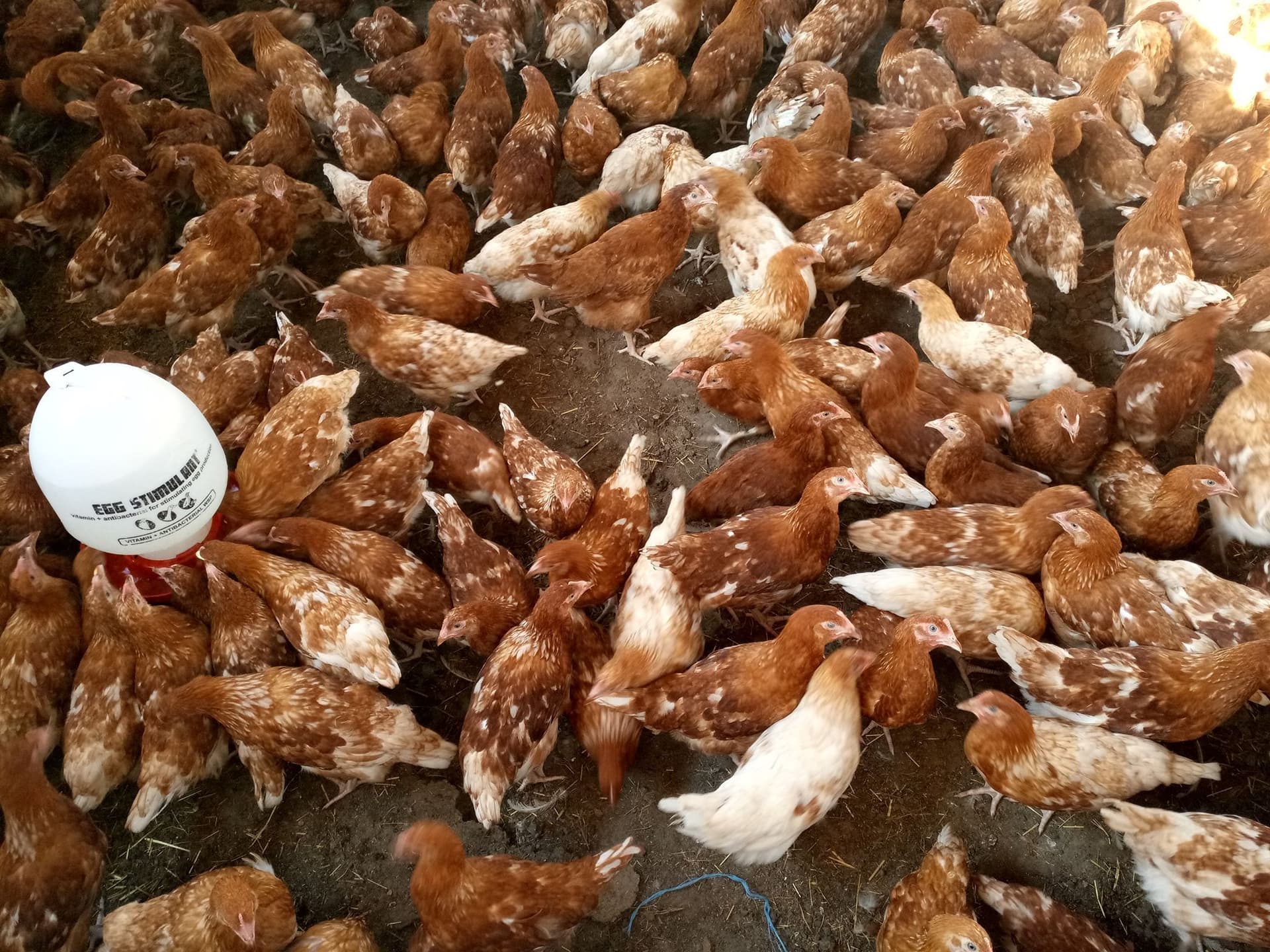
Despite Ethiopia having the largest livestock population in Africa which includes 45 million chickens, backyard production of eggs accounts for nearly 96pc of the domestic supply. The sector’s stagnant growth dominated by small-scale farmers is attributed by experts to low input and underdeveloped technology.
Macinova’s CEO was inspired by early childhood experiences of observing her grandmother raising backyard chickens diligently with little to show for it.
“I always felt like I had to do something,” Hamere says.
The founders’ innovative efforts recently received a $10,000 backing as Machinova scooped up a grant from the Ayute Challenge organized by Heifer Ethiopia.
A series of nutritional initiatives by the Ethiopian government including the Lemat Tirufat project under Prime Minister Abiy Ahmed(PhD) look to increase poultry production. Companies like Machinova which offer innovative solutions in this ecosystem can play a crucial role in the growth.
Share this post:

Daniel Metaferiya
Jane Doe is an accomplished writer and storyteller with a passion for exploring the intricacies of human relationships. She holds a Master’s degree in Creative Writing from the University of Fiction and has published several novels and short stories in various literary magazines. When she's not writing, Jane enjoys hiking in the mountains, experimenting with new recipes in her kitchen, and volunteering at her local animal shelter. Her work often reflects her love for nature and her commitment to social issues. Jane lives in Seattle with her two rescue dogs, Max and Bella. You can find her online at www.janedoeauthor.com and on social media @JaneDoeWrites.
At Shega, we do more than tell stories. We help you make an impact. Our platforms, data, and expertise connect brands, organizations, and investors to the audiences and insights that matter.
Reach, engage, and grow with us.
Get in Touch
Typical Fields in a Post Dataset
12 March 2026

A City Under Construction, A Profession in Transition
09 March 2026

Why Some Ethiopian Startups are on the Move to Rwanda
09 January 2026
Latest Stories
25 February 2026
𝗖𝘂𝗽𝗶𝗱’𝘀 𝗖𝘂𝗿𝗿𝗲𝗻𝗰𝘆: 𝗚𝗹𝗼𝗯𝗮𝗹 𝗧𝗿𝗮𝗱𝗲 𝗦𝗵𝗮𝗽𝗲𝘀 𝗔𝗱𝗱𝗶𝘀 𝗔𝗯𝗮𝗯𝗮’𝘀 𝗩𝗮𝗹𝗲𝗻𝘁𝗶𝗻𝗲’𝘀 𝗗𝗮𝘆 𝗥𝗼𝘀𝗲𝘀
By Bethel TesfayeLatest Stories
𝗖𝘂𝗽𝗶𝗱’𝘀 𝗖𝘂𝗿𝗿𝗲𝗻𝗰𝘆: 𝗚𝗹𝗼𝗯𝗮𝗹 𝗧𝗿𝗮𝗱𝗲 𝗦𝗵𝗮𝗽𝗲𝘀 𝗔𝗱𝗱𝗶𝘀 𝗔𝗯𝗮𝗯𝗮’𝘀 𝗩𝗮𝗹𝗲𝗻𝘁𝗶𝗻𝗲’𝘀 𝗗𝗮𝘆 𝗥𝗼𝘀𝗲𝘀
25 February 2026


Typical Fields in a Post Dataset
12 March 2026
A City Under Construction, A Profession in Transition
09 March 2026
Why Some Ethiopian Startups are on the Move to Rwanda
09 January 2026