Ad

Ad

Progress for group 0 ad


Bethel Tesfaye
Addis Ababa, Ethiopia

Bethel Tesfaye
Addis Ababa, Ethiopia
February 23, 2026






By midmorning on Valentine’s Day last week, the plastic bucket at a street corner in Haya Hulet, Addis Ababa, was already running low. A flower vendor rearranged what remained, tilting the red roses forward so the gaps were less conspicuous. The stems had lost some of their morning stiffness, petals drooping slightly under the city sun. Leul Girma, a young man in a pressed shirt and careful shoes, hovered beside the bucket, counted the roses twice, hesitated, and asked the price. One rose costs 100 Birr. He paused, recalculated, and decided to walk on in search of something cheaper, or perhaps simply more abundant.
Each sparsely displayed stem had traveled hundreds of kilometers from farms in Oromia and Amhara regional states to the capital. The journey began in humid, well-ventilated greenhouses, passed through refrigerated trucks and airport cargo terminals, and ended, if destined for the domestic market at all, in a plastic bucket on a busy sidewalk. It is a journey that offers a window into a market where demand has surged, supply has not kept pace, and global priorities quietly reshape local rituals of romance and apology.
For Mahlet Yitina, Valentine’s Day is precisely the wrong time to buy flowers. She purchases them throughout the year, when visiting friends or marking small family occasions. But on Cupid’s day, she keeps her distance.
“It’s hard to find good quality at a reasonable price,” she told Shega. The problem, she added, is not affection. It is timing.
Over the past several years, niche celebrations once confined to small circles have entered the urban mainstream. Birthdays are more elaborately marked. Apologies are softened with bouquets. Romantic gestures increasingly require a visible token. In Addis Ababa, flowers have become part of the vocabulary of middle class expression. Consumption has expanded steadily. Domestic availability has barely moved.
The imbalance becomes most visible during peak seasons, and Valentine’s Day sharpens it. Demand is narrow and immediate. Red roses, the undisputed emblem of the holiday, can become scarce almost overnight, even as yellow, pink, and white blooms remain within reach. Florists across the city anticipated the shortage days in advance, fielding calls and informal reservations from anxious customers.
“During holidays, the distribution decreases,” said Birhanu Amha, a bulk flower distributor in Addis Ababa. As international shipments accelerate ahead of global celebrations, the volume left for local markets thins. The domestic buyer is left to navigate what remains.
Ethiopia’s floriculture sector is substantial by most measures. It directly employs more than 60,000 workers in floriculture alone, with women making up roughly 75 to 80 percent of that workforce. The broader horticulture sector supports an estimated 200,000 jobs, according to some projections. Production spans thousands of hectares across the country, though export oriented farms dominate the landscape. More than 80 commercial farms operate in the sector, many clustered around the Rift Valley lakes and highland plateaus where altitude and climate favor long stemmed roses.
Yet most of what is grown is not destined for local buyers. Export markets absorb the bulk of production, leaving domestic vendors dependent on residual supply. In effect, the local flower market is downstream from a global one.
A week before Valentine’s Day, red roses in Addis Ababa sold for between 30 and 50 Birr per stem. By the holiday itself, prices had doubled. Some vendors charged as much as 100 Birr for a single rose. Other colors hovered closer to 25 or 50 birr. Decorative filler flowers were cheaper still, sometimes sold in small bunches for the price of one premium red stem.
For sellers, the volatility is both opportunity and risk. Higher prices can lift margins during a brief window of heightened demand. But they can also thin foot traffic, especially among students and young couples who form a large share of Valentine’s buyers. For customers, the swings feel abrupt and opaque. A rose that was attainable one week can feel extravagant the next.
“The local market has no chance compared to the export market,” said Roble Seyoum, who runs Blossom Flowers and a flower farm in Jemo, a neighborhood on the southern edge of the capital. “The local market is based on what’s left from exports, and the price gap isn’t closing anytime soon.”
Export demand offers what domestic markets cannot: stable foreign currency returns and predictable bulk orders. Farms negotiate contracts months in advance with buyers in Europe and the Middle East. Payments arrive in dollars or euros, currencies that carry particular weight in an economy where foreign exchange remains scarce. Shipments are measured in tons, not stems.
“All shipping to Saudi was finalized on Friday the 13th
Quick Links
#5GShare this post:

Bethel Tesfaye
At Shega, we do more than tell stories. We help you make an impact. Our platforms, data, and expertise connect brands, organizations, and investors to the audiences and insights that matter.
Reach, engage, and grow with us.
Get in Touch
CBE Strengthens Dominance as Smaller Banks Lose Ground
20 March 2026
A City Under Construction, A Profession in Transition
09 March 2026
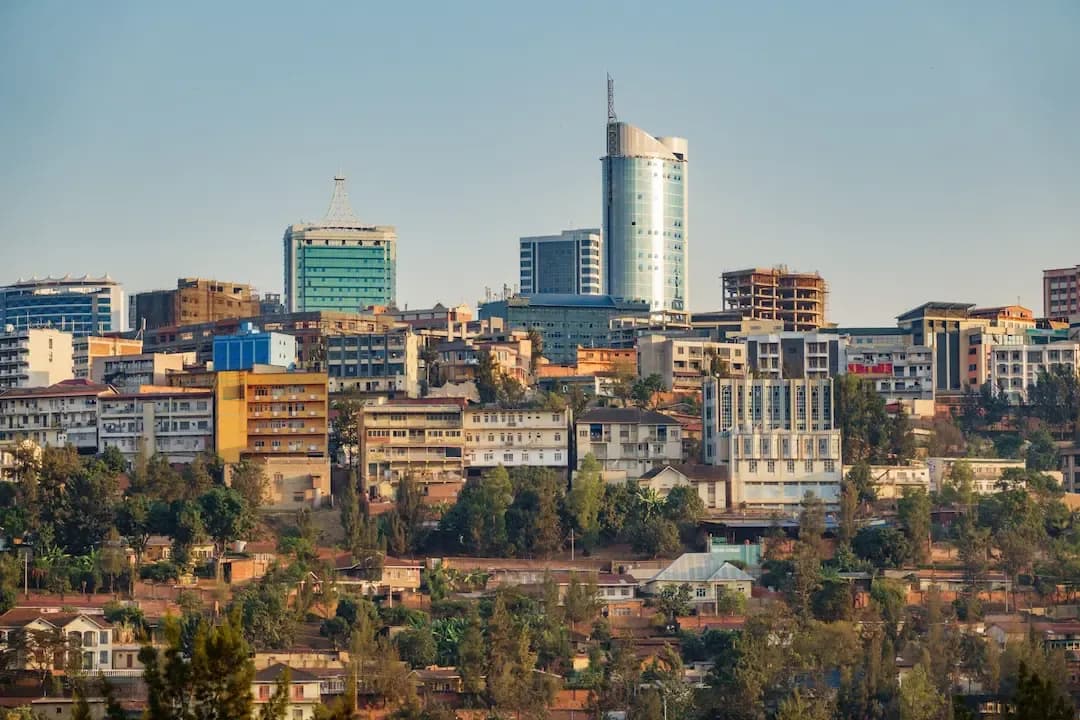
Why Some Ethiopian Startups are on the Move to Rwanda
09 January 2026
Latest Stories
25 February 2026
𝗖𝘂𝗽𝗶𝗱’𝘀 𝗖𝘂𝗿𝗿𝗲𝗻𝗰𝘆: 𝗚𝗹𝗼𝗯𝗮𝗹 𝗧𝗿𝗮𝗱𝗲 𝗦𝗵𝗮𝗽𝗲𝘀 𝗔𝗱𝗱𝗶𝘀 𝗔𝗯𝗮𝗯𝗮’𝘀 𝗩𝗮𝗹𝗲𝗻𝘁𝗶𝗻𝗲’𝘀 𝗗𝗮𝘆 𝗥𝗼𝘀𝗲𝘀
By Bethel TesfayeLatest Stories
𝗖𝘂𝗽𝗶𝗱’𝘀 𝗖𝘂𝗿𝗿𝗲𝗻𝗰𝘆: 𝗚𝗹𝗼𝗯𝗮𝗹 𝗧𝗿𝗮𝗱𝗲 𝗦𝗵𝗮𝗽𝗲𝘀 𝗔𝗱𝗱𝗶𝘀 𝗔𝗯𝗮𝗯𝗮’𝘀 𝗩𝗮𝗹𝗲𝗻𝘁𝗶𝗻𝗲’𝘀 𝗗𝗮𝘆 𝗥𝗼𝘀𝗲𝘀
25 February 2026


CBE Strengthens Dominance as Smaller Banks Lose Ground
20 March 2026
A City Under Construction, A Profession in Transition
09 March 2026
Why Some Ethiopian Startups are on the Move to Rwanda
09 January 2026