Ad

Ad

Progress for group 0 ad

Daniel Metaferiya
Addis Ababa, Ethiopia
WaterLife Ethiopia, a local company specializing in waterworks, is establishing smart water kiosks in urban and peri-urban areas of Ethiopia, providing access to clean and safe drinking water at an affordable price.

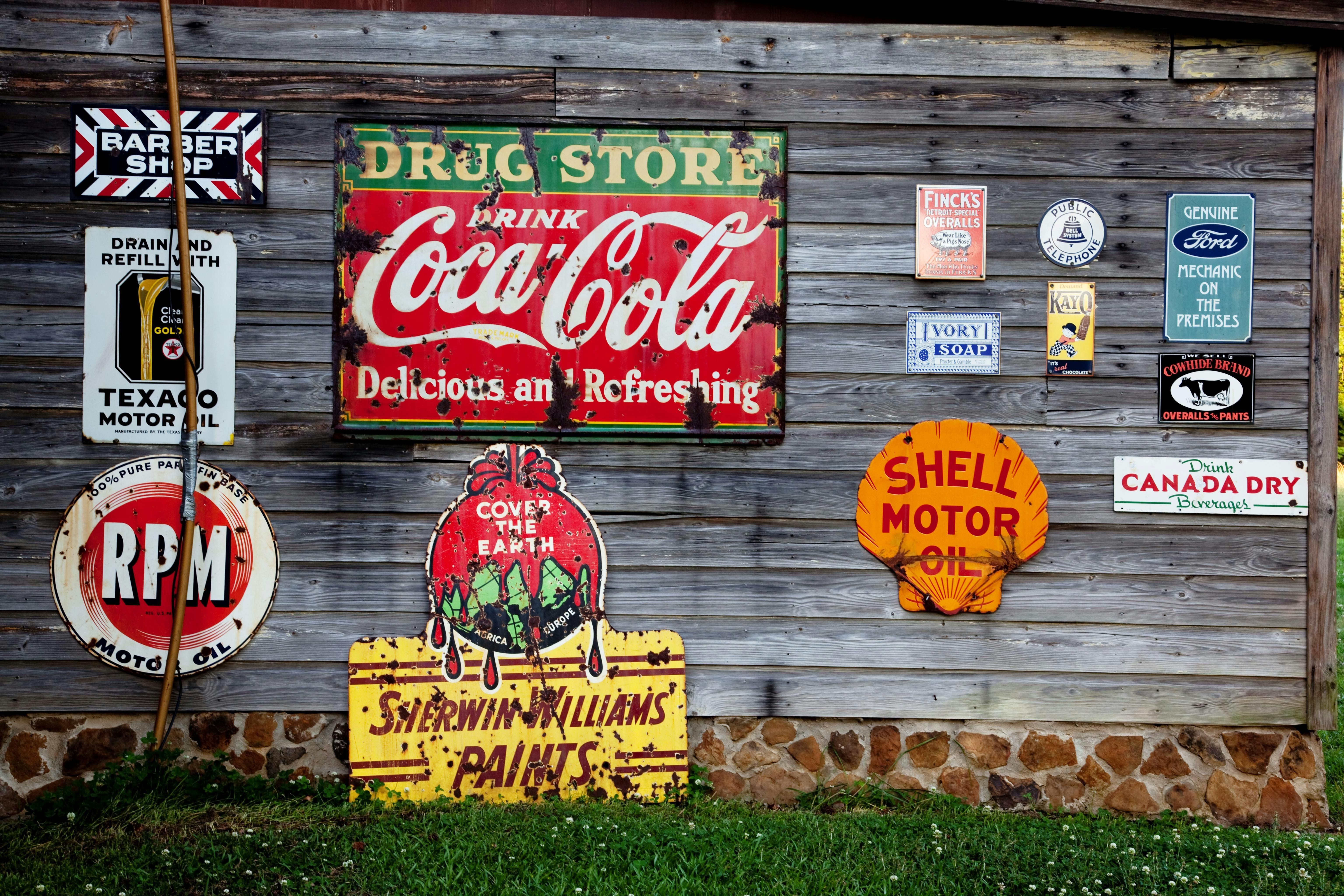
Equipped with a digital water meter and a dedicated app, these digital water kiosks will be set up in 15 woredas across Amhara, Sidama, Tigray, and Oromia regional states.
Fasika Afework, founder and CEO of WaterLife Ethiopia, states that the project aims to offer sustainable means of accelerating access to safe drinking water without adversely affecting the ecosystem and providing a long-term solution.


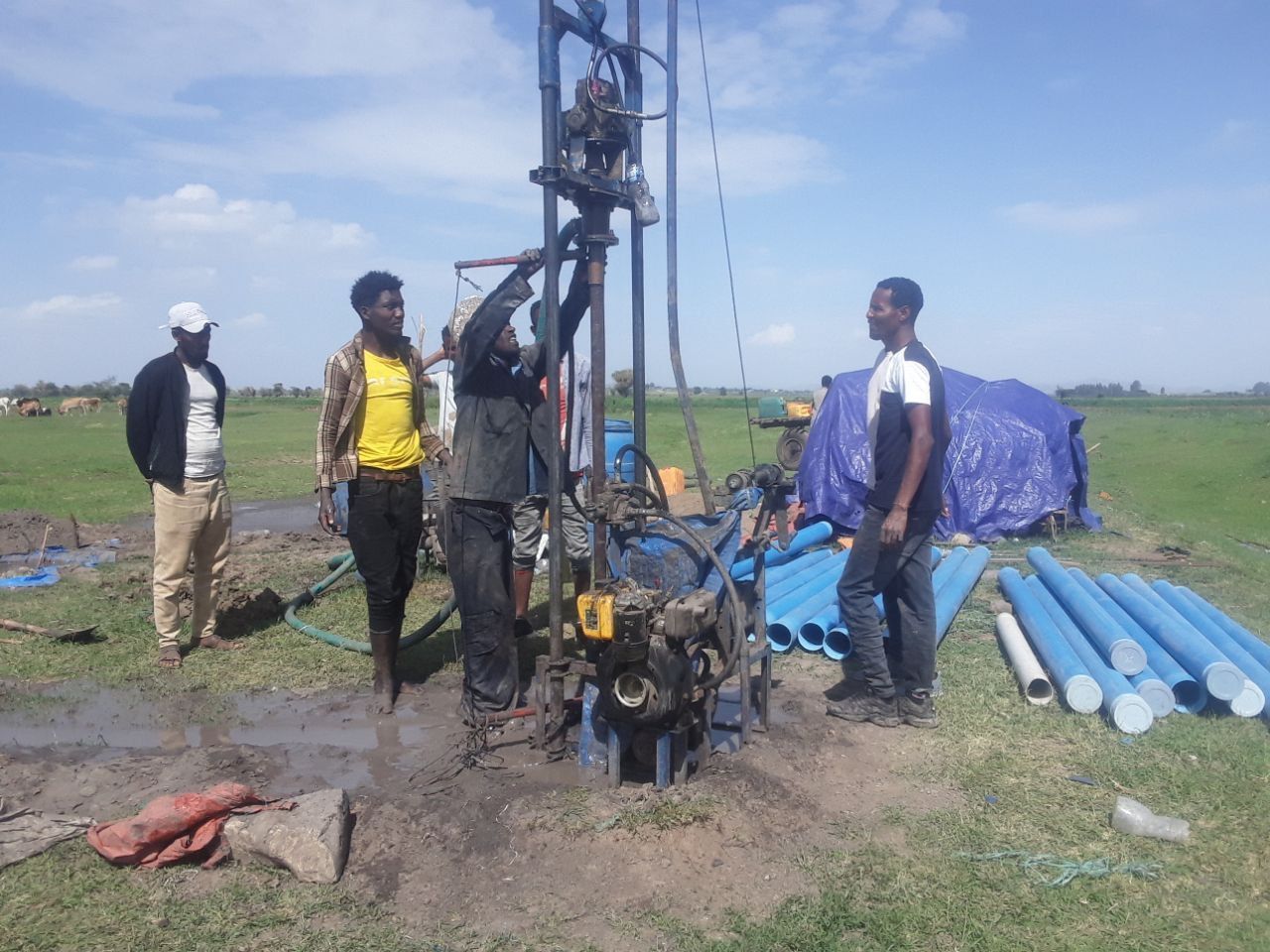
Water pumps with digital meters will be installed on ground wells dug by WaterLife. The digital meter records the volume of water consumption and transmits the data for reporting. The company uses this data to monitor the remaining water in the ground well and stop operations when necessary.
“The device accepts SIM cards and uses WiFi to send data. We are utilizing solar power to facilitate operations,” Fasika shared with Shega.
The company also aims to track the water usage of its buyers, using the data to identify the number of ground wells needed and their optimal locations for further expansion.
WaterLife is constructing three smart water kiosks with a $192,000 grant obtained from the USAID CATALYZE MS4G program. The company aims to adopt a franchise model for the remaining sites.
Fasika notes a sustainable water problem in Ethiopia, where the price of a 25-liter clean water container can rise up to 25 birr in rural areas, and his company plans to reduce it to 15 birr.
According to USAID, Ethiopia, despite having relatively abundant water resources, is considered ‘water-stressed’ due to rapid population growth over the last decade, with only a fraction of exploitable groundwater.
Estimates of renewable annual groundwater per year range from 13.5 to 28 billion m³, of which only about 2.6 billion m³ are currently exploitable. On the other hand, excessive pumping of groundwater and inefficient water use practices can lead to aquifer depletion and well drying, negatively impacting water resource availability.
WalterLife’s smart water kiosks will be managed by their employees, who are trained to handle operations. Their operation is backed by an app that they use to enter information whenever water is sold at the kiosk.
“Customers can purchase water from the kiosks using their phone numbers, receiving a report monthly via text detailing the price and liters purchased. Users can monitor their water usage and receive gift packages for maintaining a good usage record,” said Fasika.
The application works online and offline, with data being only needed to send customer data from the app to WaterLife.
Established in 2017, WaterLife Ethiopia designed and constructed its drilling equipment to save costs, citing high machine costs and poor maintenance capacity in the country. Fasika notes that this approach has helped them work more efficiently. WaterLife Ethiopia has completed 126 water projects, providing clean water to 60 thousand people.
Last month, WaterLife Ethiopia signed an MOU with HEX Lab to develop the software and an app for the water kiosks. Incorporated Eight months ago, HEX Lab was founded by Ezedin Kamil, a 22-year-old innovator and entrepreneur.
“The application we are developing requires only 2G data and a usage report is sent to the customer once every month as long as they have a simple device,” Ezedin told Shega further emphasizing its minimal data requirement
The Global Infrastructure Hub, a not-for-profit organization formed by the G20, states that digital technologies enable new, commercially feasible business models and decentralized infrastructure options for providing access to clean water for last-mile customers.
Share this post:

Daniel Metaferiya
Jane Doe is an accomplished writer and storyteller with a passion for exploring the intricacies of human relationships. She holds a Master’s degree in Creative Writing from the University of Fiction and has published several novels and short stories in various literary magazines. When she's not writing, Jane enjoys hiking in the mountains, experimenting with new recipes in her kitchen, and volunteering at her local animal shelter. Her work often reflects her love for nature and her commitment to social issues. Jane lives in Seattle with her two rescue dogs, Max and Bella. You can find her online at www.janedoeauthor.com and on social media @JaneDoeWrites.
At Shega, we do more than tell stories. We help you make an impact. Our platforms, data, and expertise connect brands, organizations, and investors to the audiences and insights that matter.
Reach, engage, and grow with us.
Get in Touch
Insights into the Personal Data Protection Proclamation
02 September 2024

Yango Hits 1 Million Users in Ethiopia test
31 August 2024

Ethiopia’s Delicate Dance with Personal Data Protection
24 August 2024
Latest Stories
25 February 2026
𝗖𝘂𝗽𝗶𝗱’𝘀 𝗖𝘂𝗿𝗿𝗲𝗻𝗰𝘆: 𝗚𝗹𝗼𝗯𝗮𝗹 𝗧𝗿𝗮𝗱𝗲 𝗦𝗵𝗮𝗽𝗲𝘀 𝗔𝗱𝗱𝗶𝘀 𝗔𝗯𝗮𝗯𝗮’𝘀 𝗩𝗮𝗹𝗲𝗻𝘁𝗶𝗻𝗲’𝘀 𝗗𝗮𝘆 𝗥𝗼𝘀𝗲𝘀
By Bethel TesfayeLatest Stories
𝗖𝘂𝗽𝗶𝗱’𝘀 𝗖𝘂𝗿𝗿𝗲𝗻𝗰𝘆: 𝗚𝗹𝗼𝗯𝗮𝗹 𝗧𝗿𝗮𝗱𝗲 𝗦𝗵𝗮𝗽𝗲𝘀 𝗔𝗱𝗱𝗶𝘀 𝗔𝗯𝗮𝗯𝗮’𝘀 𝗩𝗮𝗹𝗲𝗻𝘁𝗶𝗻𝗲’𝘀 𝗗𝗮𝘆 𝗥𝗼𝘀𝗲𝘀
25 February 2026

Insights into the Personal Data Protection Proclamation
02 September 2024
Yango Hits 1 Million Users in Ethiopia test
31 August 2024
Ethiopia’s Delicate Dance with Personal Data Protection
24 August 2024