Ad

Ad

Progress for group 0 ad

Michael Tomas Gebremariam
Addis Ababa, Ethiopia
Confused by hidden fees in your digital transactions? You’re not alone!


Digital financial services are booming in Ethiopia, but many providers aren’t transparent about their fees. This lack of transparency hinders trust, especially in countries like Ethiopia where financial inclusion is a work in progress.
Read the latest from AKOFADA (Advancing Knowledge on Financial Accessibility and DFS Adoption), a project working to increase knowledge and transparency within Ethiopia’s DFS ecosystem.


______
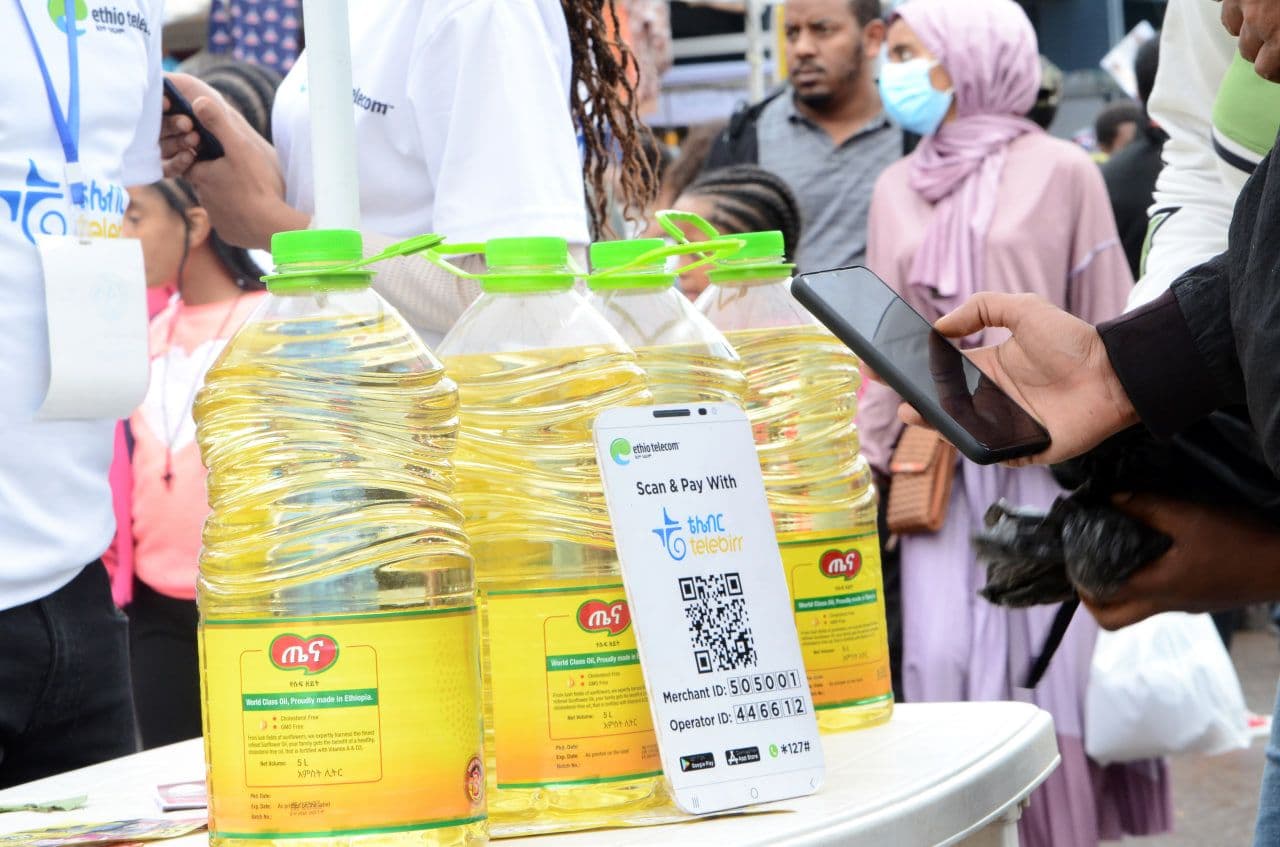
I recently came across a post on my X feed (though I still call it Twitter) where someone complained about their experience with the Commercial Bank of Ethiopia’s (CBE) mobile banking service. This individual had transferred 2,000 birr and was surprised that the transaction fee was 10 birr, which is 0.5% of the transfer amount. He didn’t know about transaction fees for person-to-person (P2P) transfers being charged by CBE. In comparison, if they had used telebirr to make the transfer amount to the same CBE account, the fee would have been 2 birr, which is only 0.1% of the transferred amount.
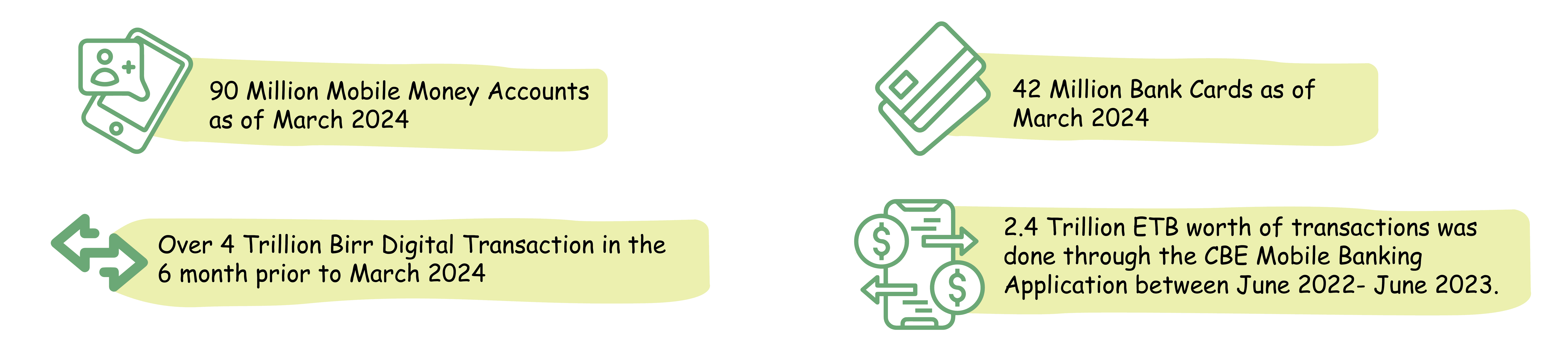
Financial services in Ethiopia are undergoing an evolution as more and more people are using digital channels (ATM, mobile banking, mobile money, and internet banking) to conduct their financial transactions. According to Myriam Said, Digital Advisor to the PMO, over 4 trillion birr has been transacted via digital channels between October 2022 and March 2023, with digital transactions overtaking cash transactions in the Ethiopian economy.
However, the increase in digital transactions in Ethiopia is bringing a new set of challenges, one of which revolves around the transparency of transaction fees. Many digital financial service providers in the country charge transaction fees, but when not communicated, such fees hide the cost of using their services.
This phenomenon results in what is commonly referred to as junk fees. Junk fees are surprise charges added to goods and services. They are often mandatory but not disclosed upfront. Financial service providers frequently hide the cost of using their services, making it difficult for consumers to compare prices accurately.
The justification and necessity of transaction fees in Ethiopia have been a topic of public discourse recently, especially concerning commercial banks. However, discussions about the transparency of these fees are rarely brought to the forefront.
Customers pay service charges and fees according to the bank’s terms and tariffs. Banks face expenses associated with vendor payments for essential systems like core banking and mobile banking services, as well as rising costs for materials such as ATMs and POS machines. One way they recoup these costs and make a profit is by imposing transaction fees. However, most banks are not sufficiently transparent with the public about their fee structures.
“It’s puzzling why such essential information is not readily available on ATM screens, displayed at ATM locations, inside mobile apps, bank branches, or even on the banks’ websites. It is remarkable that acquiring this information necessitates conducting extensive research,” Tewodros Tassew, a digital financial services (DFS) expert, shares his observation in an article published in 2023.
Customers deserve clarity and transparency in understanding the costs associated with their financial transactions. Price transparency and fee disclosure empower consumers to make informed decisions, compare products, and foster healthy competition among financial institutions.
When they are not transparent, customers, particularly those with limited banking experience, may face unexpected charges and lose trust in digital financial services. The low awareness and lack of transparency regarding junk fees could significantly impact trust among users. This is especially crucial in countries like Ethiopia, where the median transaction value is low and financial inclusion is a work in progress. The lack of transparency can increase disputes between financial service providers and users, ultimately affecting financial inclusion efforts through various digital finance channels.
Different kinds of junk fees exist globally in various sectors, from banking and online shopping to subscription services, and travel. According to the American National Economic Council, ten specific kinds of junk fees amount to $90 billion per year in the United States, averaging more than $650 per household per year.
In Ethiopia’s DFS space, there are fees associated with ATM withdrawal, P2P transactions, mobile account maintenance, loan services, and foreign exchange (forex).
Share this post: Michael Tomas Gebremariam At Shega, we do more than tell stories. We help you make an impact. Our platforms, data, and expertise connect brands, organizations, and investors to the audiences and insights that matter. Reach, engage, and grow with us. Partner with Shega
Latest Stories
25 February 2026
𝗖𝘂𝗽𝗶𝗱’𝘀 𝗖𝘂𝗿𝗿𝗲𝗻𝗰𝘆: 𝗚𝗹𝗼𝗯𝗮𝗹 𝗧𝗿𝗮𝗱𝗲 𝗦𝗵𝗮𝗽𝗲𝘀 𝗔𝗱𝗱𝗶𝘀 𝗔𝗯𝗮𝗯𝗮’𝘀 𝗩𝗮𝗹𝗲𝗻𝘁𝗶𝗻𝗲’𝘀 𝗗𝗮𝘆 𝗥𝗼𝘀𝗲𝘀
By Bethel TesfayeLatest Stories
𝗖𝘂𝗽𝗶𝗱’𝘀 𝗖𝘂𝗿𝗿𝗲𝗻𝗰𝘆: 𝗚𝗹𝗼𝗯𝗮𝗹 𝗧𝗿𝗮𝗱𝗲 𝗦𝗵𝗮𝗽𝗲𝘀 𝗔𝗱𝗱𝗶𝘀 𝗔𝗯𝗮𝗯𝗮’𝘀 𝗩𝗮𝗹𝗲𝗻𝘁𝗶𝗻𝗲’𝘀 𝗗𝗮𝘆 𝗥𝗼𝘀𝗲𝘀
25 February 2026