Ad

Ad

Progress for group 0 ad

Daniel Metaferiya
Addis Ababa, Ethiopia
Various neighborhoods of Addis Ababa sizzle with the aroma of frying fish and steaming hot oil whenever Orthodox Christian fasting seasons arrive. During these times, both high-end restaurants and street vendors offering bite-sized meals increase their daily purchases of the finny prey.

With nearly 75pc of the capital’s dwindling supply of fish coming from lakes several hundreds of kilometers away (Tana, Hawassa, Langano, Abaya, and Chamo), a full inventory is rarely guaranteed.
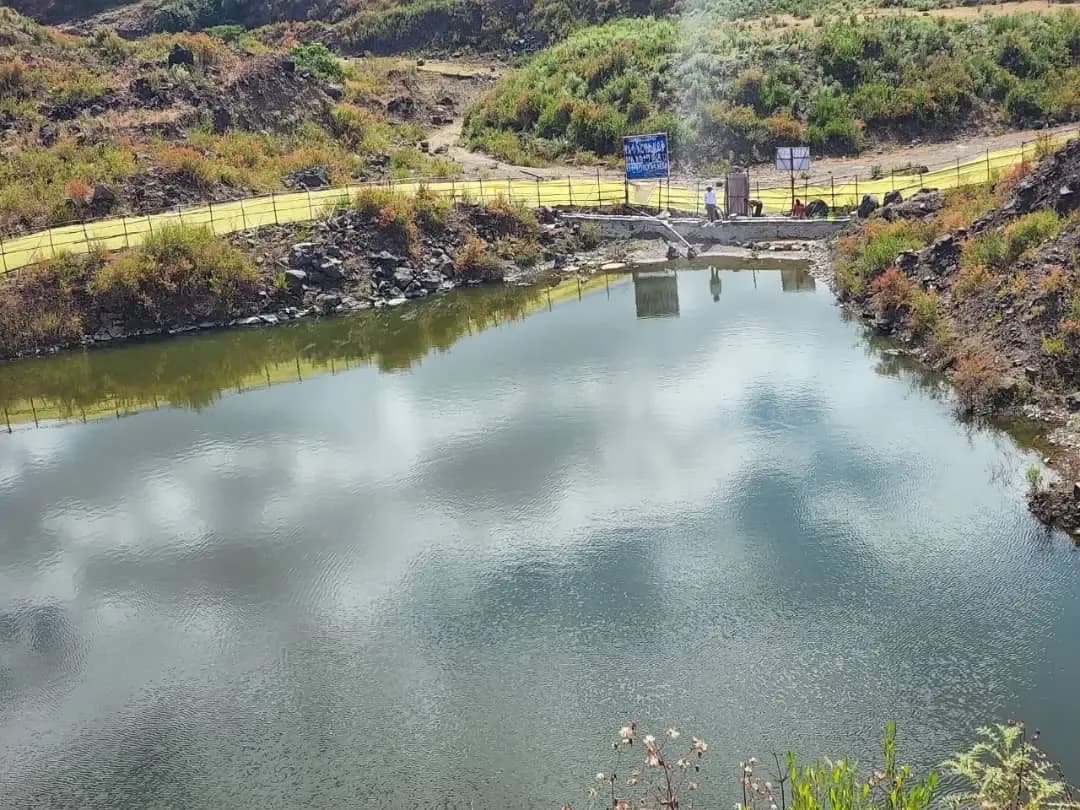
The 32-year-old Aynalem Mulugeta, who used to make a living selling tomatoes and onions three years ago, took note of this unaddressed demand. He dedicated half of his 2,500 sqm field used to produce horticulture around Bole Bulbula Medhanialem to build an artificial lake.


In the rocky, dry landscape primarily occupied by stone-crushing plants that sell aggregates for construction, Aynalem carved out a six-meter-deep oasis.
“I felt like the space was being wasted,” he told Shega.
The innovative entrepreneur used his savings to buy a generator-powered pump and began extracting water from the Legedadi River, nearly 200 meters away from his makeshift lake.
“There are nearly 70,000 fish now,” Aynalem says in pride.
His lake is mostly inhabited by Nile Tilapia (Koroso) and Carp fish, which sell for prices ranging from 300 birr per kilogram. Averaging around 20 kilograms in daily sales volume, generating over 6000 birr, business is booming for the ambitious aquaculturist.
He recalls having to travel several kilometers in the early days of the business in an attempt to sell his products to restaurants in the capital around Kera and Megenagna.
“I only take orders and make deliveries now,” Aynalem says.
While Ethiopia is home to lakes and rivers spanning 750,000 hectares, annual production of fish averages around 100,000 tons. The country’s aquaculture is dominated by over 1,500 small-scale pond farmers and a few struggling commercial operators.
Aynalem’s entry into the industry stemmed from a desire to create a sustainable revenue source and the utilization of immediately available resources. Despite foreseeing significant difficulties from authorities over his novel adventure, he was met with uncanny support.
“They liked the plan and gave me the greenlight,” Aynalem recalls.
Related- Ethiopia Builds First Algae Production Center for 8.2 Million Birr
The Ministry of Agriculture has revealed plans to update the systemic management of major water resources in a bid to introduce sustainable fishing practices. However, production from reservoirs has generally remained low over the past few years due to the combination of El Nio, Eichhornia crassipes (locally known as “Emboch”) infestation, and deterioration of water quality.
Aynalem, an ever-meticulous entrepreneur, went through weeks of training before venturing into the fishing business. He collaborated with the Woreda’s agriculture bureau for ideas on proper nutrition and safety.
The entrepreneur, who now has five employees, quickly found a way to substitute the nutritional inputs for the fish, which costs 8,000 birr per kilogram, with products from his horticulture business.
“I extract tomatoes and cabbages,” Aynalem says.
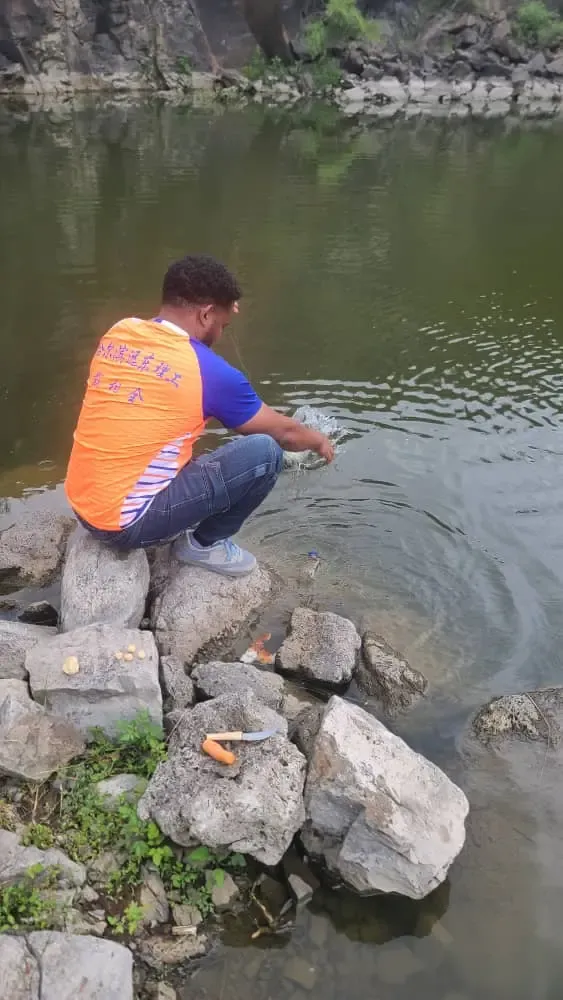
A serial innovator, he has also begun charging fifty birr per visit to nearby residents who come by for some afternoon fishing. He has hired guards to patrol the area and collect payments from customers who want to take the fish home.
“Some are even taking wedding pictures,” the aqua farmer told Shega in a humorous tone.
Aynalem’s aspirations landed him at the agricultural expo at Millenium Hall two weeks ago in search of partnerships. Flanked by a group of aquariums that were holding up to ten fish each, his booth was swarmed by curious prospective customers looking to learn more about his unique business. Armed with a gregarious personality and palpable fervor, he attended to everyone’s inquiries tirelessly.
Aynalem plans to build a mini lodge near his artificial lake where people can come by to camp out for a night or two.
Share this post:

Daniel Metaferiya
Jane Doe is an accomplished writer and storyteller with a passion for exploring the intricacies of human relationships. She holds a Master’s degree in Creative Writing from the University of Fiction and has published several novels and short stories in various literary magazines. When she's not writing, Jane enjoys hiking in the mountains, experimenting with new recipes in her kitchen, and volunteering at her local animal shelter. Her work often reflects her love for nature and her commitment to social issues. Jane lives in Seattle with her two rescue dogs, Max and Bella. You can find her online at www.janedoeauthor.com and on social media @JaneDoeWrites.
At Shega, we do more than tell stories. We help you make an impact. Our platforms, data, and expertise connect brands, organizations, and investors to the audiences and insights that matter.
Reach, engage, and grow with us.
Get in Touch
Insights into the Personal Data Protection Proclamation
02 September 2024

Yango Hits 1 Million Users in Ethiopia test
31 August 2024
Can AliExpress Unlock Ethiopia’s E-Commerce Potential?
25 August 2024

Ethiopia’s Delicate Dance with Personal Data Protection
24 August 2024
Ethiopian Tradition Sparks Insurance Revolution
17 August 2024
Latest Stories
25 February 2026
𝗖𝘂𝗽𝗶𝗱’𝘀 𝗖𝘂𝗿𝗿𝗲𝗻𝗰𝘆: 𝗚𝗹𝗼𝗯𝗮𝗹 𝗧𝗿𝗮𝗱𝗲 𝗦𝗵𝗮𝗽𝗲𝘀 𝗔𝗱𝗱𝗶𝘀 𝗔𝗯𝗮𝗯𝗮’𝘀 𝗩𝗮𝗹𝗲𝗻𝘁𝗶𝗻𝗲’𝘀 𝗗𝗮𝘆 𝗥𝗼𝘀𝗲𝘀
By Bethel TesfayeLatest Stories
𝗖𝘂𝗽𝗶𝗱’𝘀 𝗖𝘂𝗿𝗿𝗲𝗻𝗰𝘆: 𝗚𝗹𝗼𝗯𝗮𝗹 𝗧𝗿𝗮𝗱𝗲 𝗦𝗵𝗮𝗽𝗲𝘀 𝗔𝗱𝗱𝗶𝘀 𝗔𝗯𝗮𝗯𝗮’𝘀 𝗩𝗮𝗹𝗲𝗻𝘁𝗶𝗻𝗲’𝘀 𝗗𝗮𝘆 𝗥𝗼𝘀𝗲𝘀
25 February 2026

Insights into the Personal Data Protection Proclamation
02 September 2024
Yango Hits 1 Million Users in Ethiopia test
31 August 2024
Can AliExpress Unlock Ethiopia’s E-Commerce Potential?
25 August 2024
Ethiopia’s Delicate Dance with Personal Data Protection
24 August 2024
Ethiopian Tradition Sparks Insurance Revolution
17 August 2024