Ad

Ad

Progress for group 0 ad

Partner Content
Addis Ababa, Ethiopia
When Shega met Bethlehem Gobena, the 19-year-old was taking a stroll inside the compound of the Ethiopian National Blind Association at 6 Kilo. Holding hands with her friend, Bethlehem’s laughter and activities make her appear as if she can see things from kilometers away, yet she has limited sight due to an illness she faced when she was ten years old, resulting in the loss of most of her vision.


With both her parents deceased, Bethlehem’s life is challenging to imagine. She was compelled to halt her education in 2014 due to her sight condition. “I didn’t know how to write or read using braille at the time,” says Bethlehem. Suffering significantly from psychological problems, Bethlehem underwent psychological treatment at the Mekedonia Center. During her stay there, she made contact with the Yemisrach center and learned braille at the end of 2022, along with other skills.
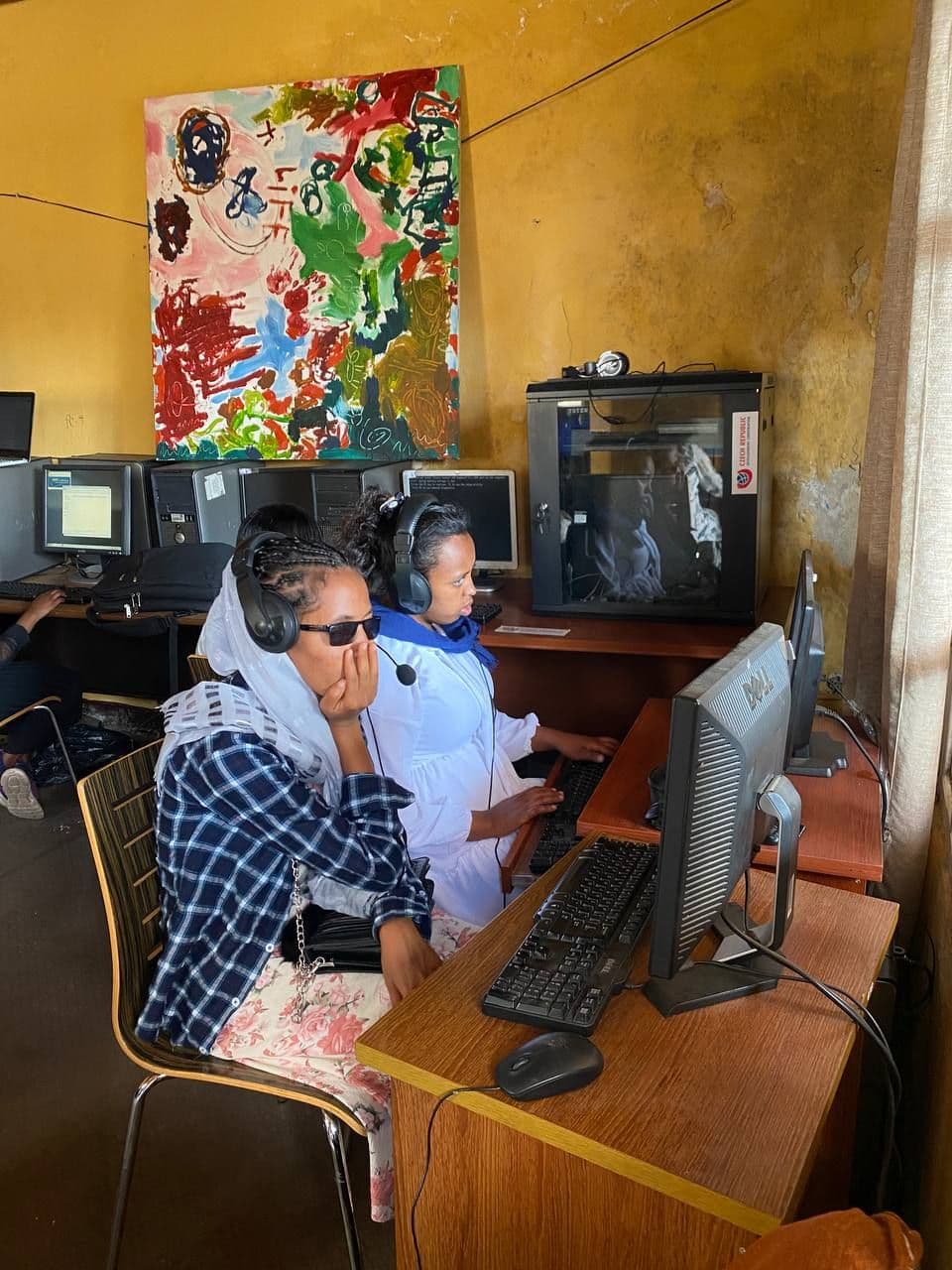
Now Bethlehem is back to school and is a fifth-grade student at Atse Naod School. To assist her learning, Bethlehem uses JAWS, a computer screen reader program for electronic devices that allows blind and visually impaired users to read the screen with text-to-speech.


JAWS is fundamental to Bethlehem’s learning as it helps her conduct her studies. Installed on her phone, JAWS reads pdfs, word documents, and other digital format materials she can get a hold of. But JAWS remains the only digital tool Bethlehem uses.
In the school, students and teachers have developed a tradition of reading what is on the board for students with similar conditions as Bethlehem, enabling them to write using braille.
Bethlehem is one of the estimated 7.8 million people in Ethiopia, constituting approximately 9.3 percent of the total population, who live with some form of disability, according to UNICEF’s 2018 survey. Disability is a broad term that encompasses impairments, limitations, or restrictions on an individual’s ability to perform everyday activities and can be physical, sensory, cognitive, intellectual, or psychiatric in nature.
According to WHO, globally, an estimated 1.3 billion people—about 16% of the global population—currently experience significant disability.
Innovation has led to the development of various solutions aimed at removing accessibility barriers for people with disabilities. Dubbed assistive technology, these include screen readers, braille displays, voice recognition software, and communication devices like Smart Home Technology.
Meanwhile, disability advocates emphasize that simple tasks such as making websites and apps accessible and providing closed captioning and subtitles are crucial to enhancing accessibility.
However, in Ethiopia, this is still a road yet to be traveled. It was only in 2021 that the Bank of Abyssinia launched the first voice-guided ATMs in Ethiopia that provide audible instructions for the visually impaired.
According to the Ministry of Labor and Social Affairs, 95% of persons with disabilities in the country live in poverty—the vast majority in rural areas, where basic services are limited and the chances of accessing rehabilitative or support services are remote.
Many public spaces, transportation systems, and buildings lack proper infrastructure and accessibility features, making it difficult for people with disabilities to move around independently. People with disabilities also suffer social stigma and discrimination against them, which can lead to exclusion, isolation, and barriers.
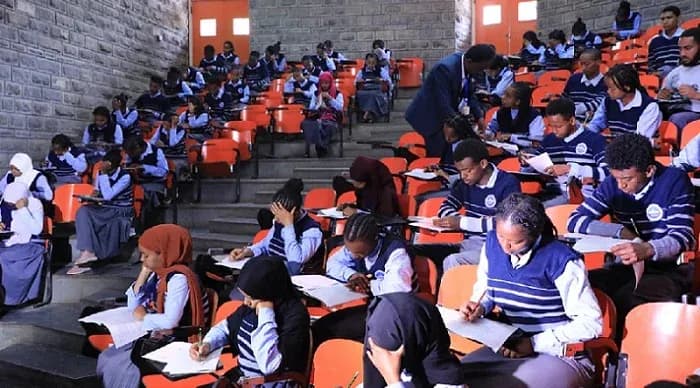
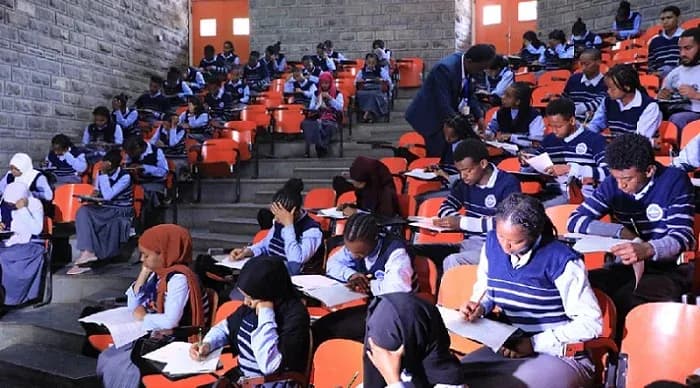
The problems people with disabilities face also extend to educational barriers. Access to education for people with disabilities is limited due to a lack of inclusive facilities, trained teachers, and appropriate learning materials.
A survey data from 2016 indicates that 43 percent of school-age children with disabilities had never attended school, compared with an overall average of 22 percent.
Ethiopia follows the principles of inclusive education—an education system open to all learners, regardless of poverty, gender, ethnic background, language, disabilities, and impairments. The Ethiopian Government has also displayed its commitment to the education of persons with disabilities by ratifying various international conventions, declarations, and statements, particularly the UN Convention on the Rights of Persons with Disabilities, which was adopted in 2006.
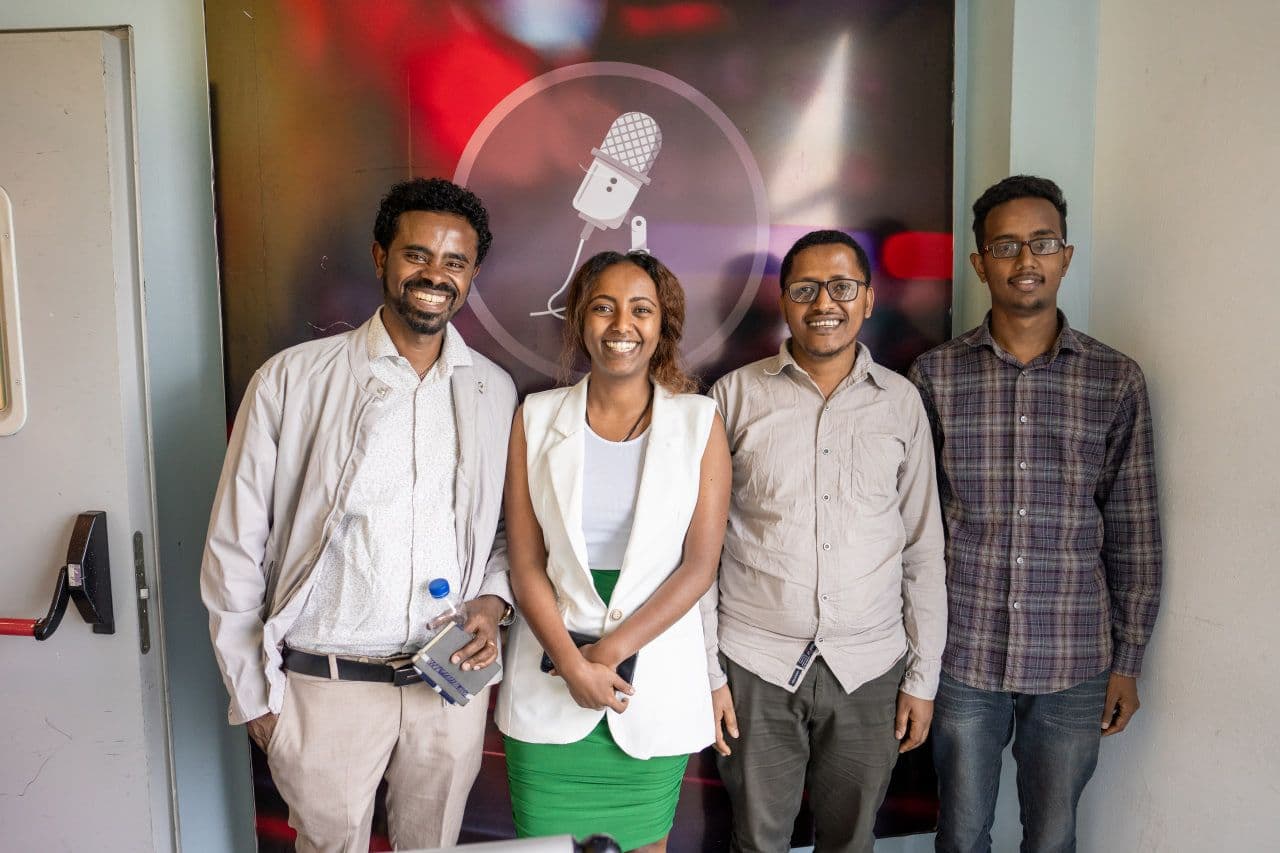
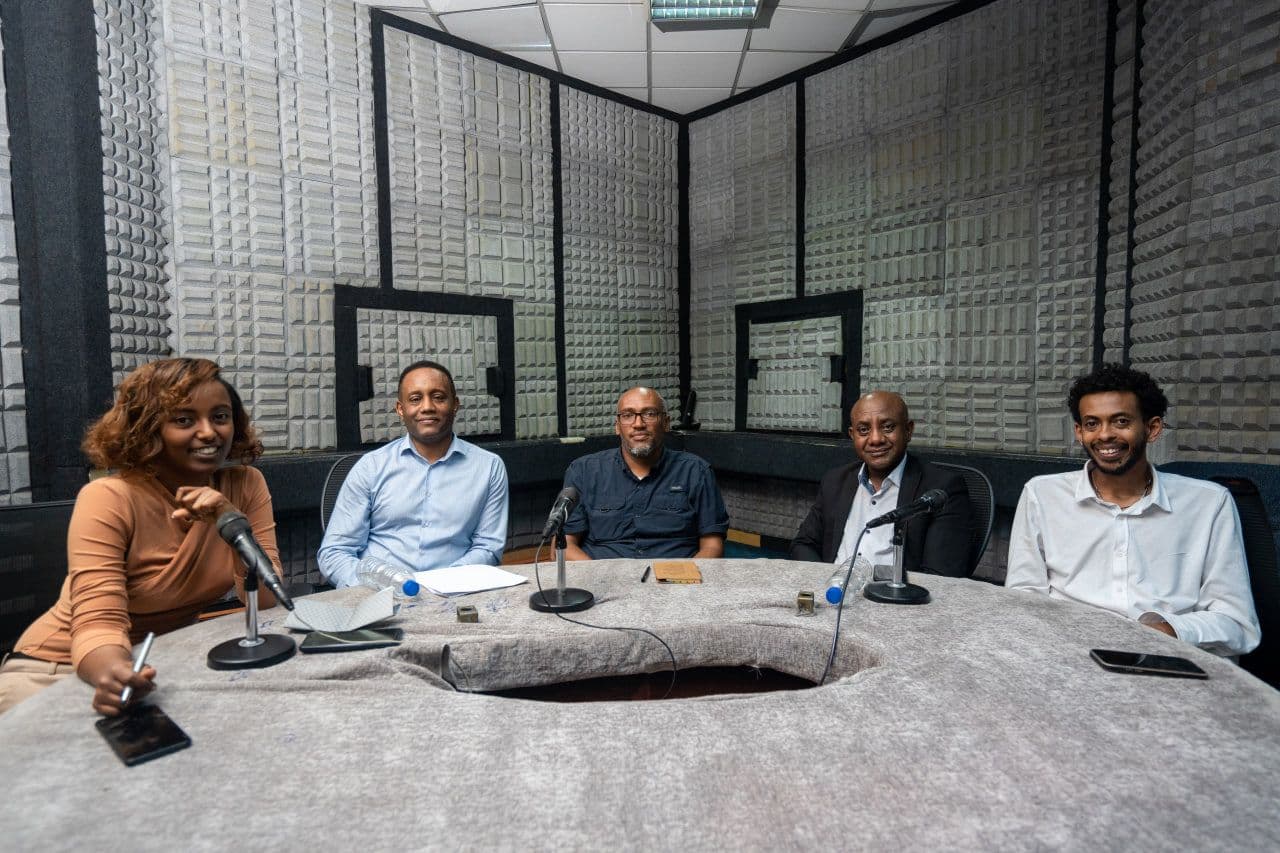
“Serious efforts are required from all stakeholders in the sector, as these matters cannot solely be entrusted to the Ethiopian Ministry of Education,” said Seid Anbesu, a visually impaired social worker in a government bureau, during his appearance on the April episode of EdTech Mondays Radio Show, produced by the Mastercard Foundation and Shega Media & Technology. The show, which aired in April 2023, explored the crucial role of technology in promoting equity and inclusion in education.
“There is currently no disability policy in place for higher education institutions, and one can only imagine the challenges present in the lower education cycles,” stated Seid.
Nahom Tsehay, PhD, an expert in the field, emphasized the significance of assisting students with technology to prepare them for a world where access to education is paramount.
“Technology-supported classes enable disabled students to connect through various platforms, fostering a positive self-image,” stated Nahom.
Nahom underscored the need to establish basic infrastructure, such as electricity, telecom services, and devices, especially in rural areas where many children lack access. He pointed out that, due to a lack of awareness, parents of disabled children often do not provide educational opportunities.
Despite enormous challenges, some institutions are utilizing assistive technology in Ethiopia, as highlighted during the show, with one of them being the Deborah Foundation.
Established in 2019, the Deborah Foundation is a non-profit organization dedicated to enhancing the quality of life for children with Down syndrome and other intellectual disabilities.
According to Bitaniya Petros, PhD, an official for the foundation, over 150 children enrolled at Deborah Academy require special attentio
Quick Links
#Mastercard FoundationShare this post:
Partner Content
At Shega, we do more than tell stories. We help you make an impact. Our platforms, data, and expertise connect brands, organizations, and investors to the audiences and insights that matter.
Reach, engage, and grow with us.
Get in Touch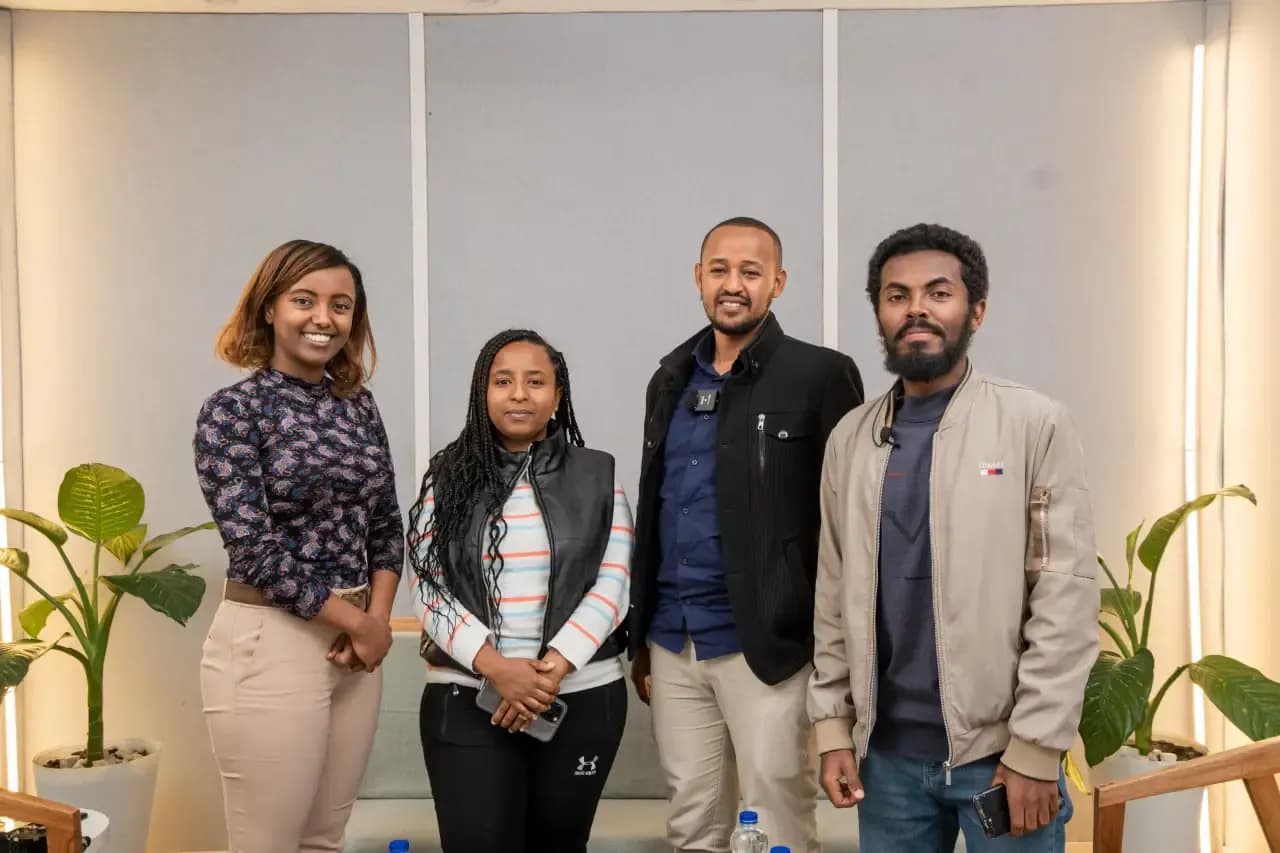
Unlocking Edtech’s Potential for Equity
29 July 2024
The Financing Gap in Ethiopian EdTech Startups
05 July 2024
Apps to Prepare for Grade 12 Examination in Ethiopia
01 July 2024
Latest Stories
25 February 2026
𝗖𝘂𝗽𝗶𝗱’𝘀 𝗖𝘂𝗿𝗿𝗲𝗻𝗰𝘆: 𝗚𝗹𝗼𝗯𝗮𝗹 𝗧𝗿𝗮𝗱𝗲 𝗦𝗵𝗮𝗽𝗲𝘀 𝗔𝗱𝗱𝗶𝘀 𝗔𝗯𝗮𝗯𝗮’𝘀 𝗩𝗮𝗹𝗲𝗻𝘁𝗶𝗻𝗲’𝘀 𝗗𝗮𝘆 𝗥𝗼𝘀𝗲𝘀
By Bethel TesfayeLatest Stories
𝗖𝘂𝗽𝗶𝗱’𝘀 𝗖𝘂𝗿𝗿𝗲𝗻𝗰𝘆: 𝗚𝗹𝗼𝗯𝗮𝗹 𝗧𝗿𝗮𝗱𝗲 𝗦𝗵𝗮𝗽𝗲𝘀 𝗔𝗱𝗱𝗶𝘀 𝗔𝗯𝗮𝗯𝗮’𝘀 𝗩𝗮𝗹𝗲𝗻𝘁𝗶𝗻𝗲’𝘀 𝗗𝗮𝘆 𝗥𝗼𝘀𝗲𝘀
25 February 2026


Unlocking Edtech’s Potential for Equity
29 July 2024
The Financing Gap in Ethiopian EdTech Startups
05 July 2024
Apps to Prepare for Grade 12 Examination in Ethiopia
01 July 2024