Ad

Ad

Progress for group 0 ad
Tewodros Tassew
Addis Ababa, Ethiopia
Striving for financial inclusion entails more than just enrolling individuals in bank accounts or mobile wallets. It is equally crucial to guarantee the active utilization of these services, maintain high quality standards, and ensure a positive impact on individuals and households.


__________
Ethiopia is undergoing a significant transformation towards financial inclusion. The growing presence of banks and microfinance institutions in the market, coupled with the entry of telecom operators and fintech startups, has profoundly reshaped the financial landscape. This transition holds the potential to drive financial inclusion and foster the adoption of digital finance alternatives.


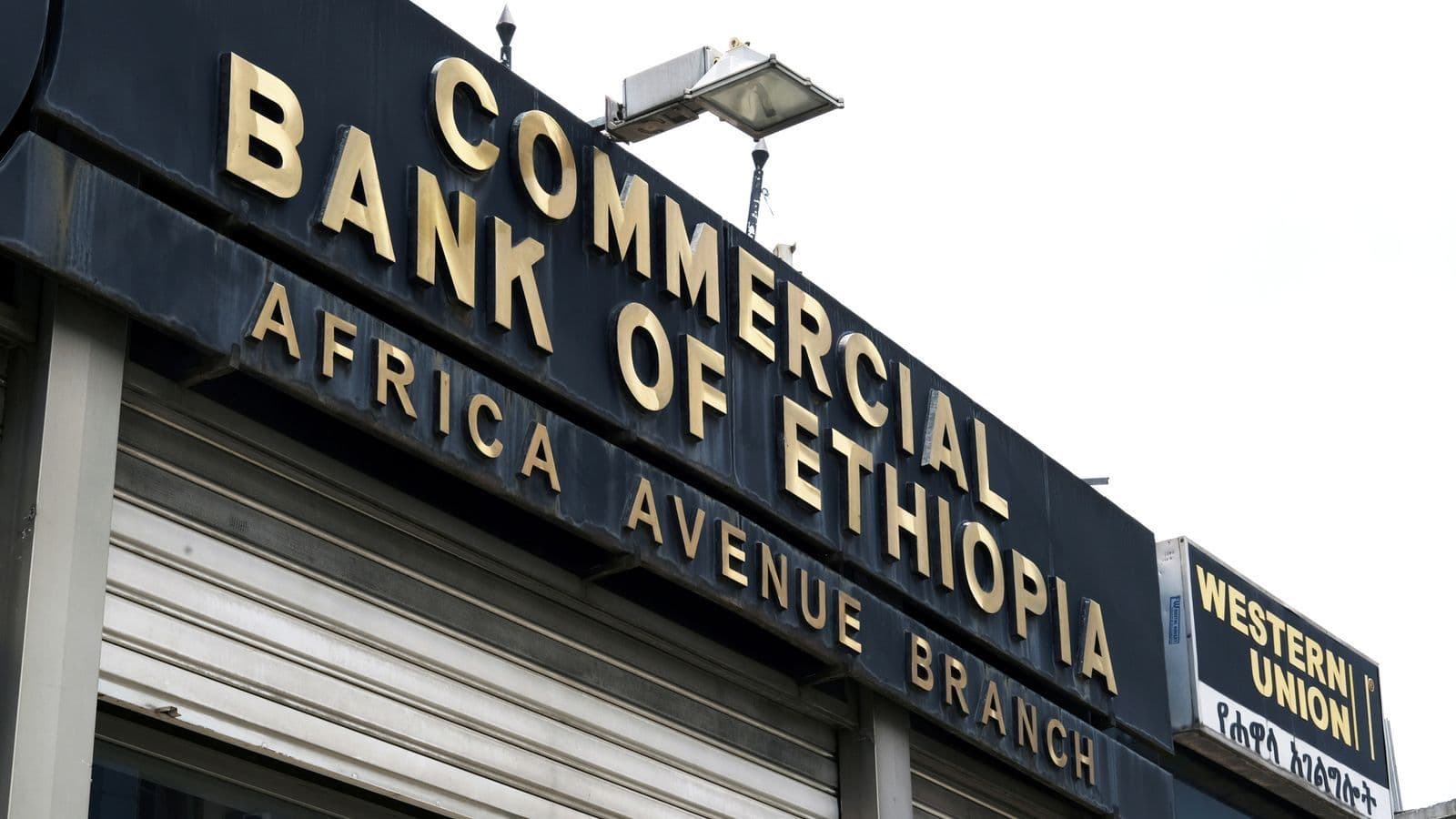
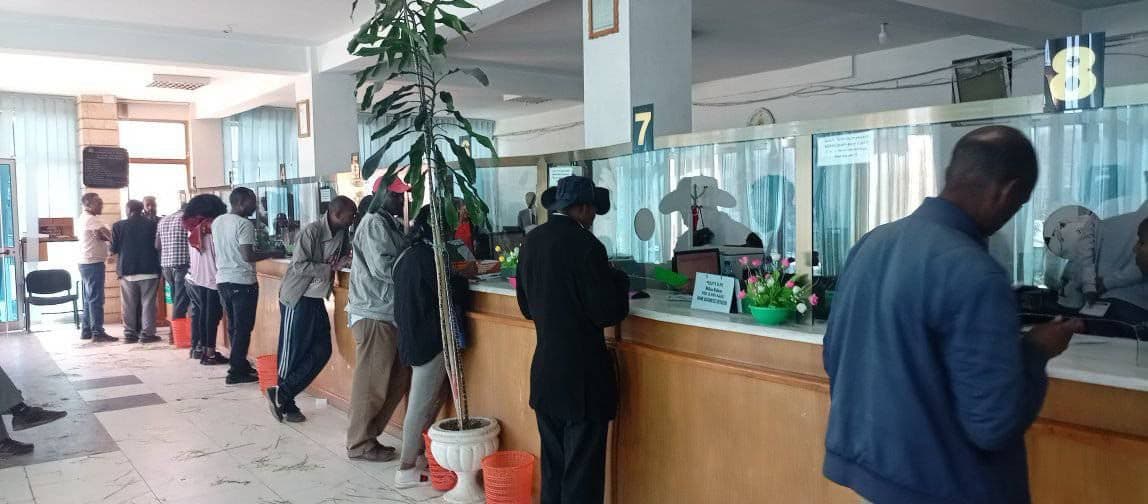
Official figures confirm that market developments in recent years have expanded the reach of financial services and increased the number of individuals with bank accounts. As per the 2022 World Bank Findex report, based on formal account ownership metrics, Ethiopia has attained a 46% rate of financial inclusion.
Data sourced from the National Bank of Ethiopia (NBE) also reveals that the number of transaction accounts exceeded 150 million in 2022, with 60 million of these being mobile money accounts. In addition, the National Bank has committed to achieving a target of 70% of adults having bank accounts by the year 2025.
Another encouraging advancement in the Ethiopian financial landscape is the increasing number of financial service providers, surpassing 109 licensed financial institutions as of March 2023, and the opening of the sector both in policy and regulation aspects.
Although access to basic bank accounts has undoubtedly improved, it is important to acknowledge that nearly half of the population still lacks this privilege. Ethiopia’s financial inclusion rate of 46% falls short of the global average of 76% and the 71% rate observed among developing countries.
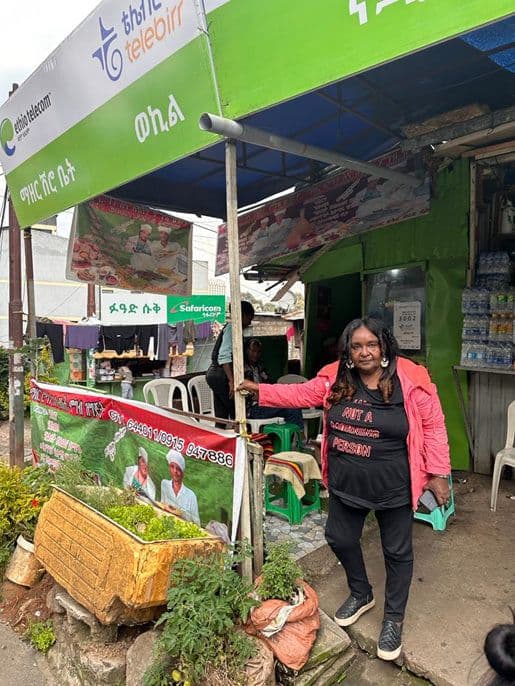
This lack of access disproportionately affects individuals in rural communities, low-income households, and those with limited literacy levels. Gender gaps in account ownership also persist, indicating the remaining work at hand in expanding access to these underserved segments of the population.
While there is no doubt that continued attention should be given to reaching the financially excluded, it’s essential to acknowledge that Ethiopia has now attained the minimum threshold for basic financial inclusion. Initially, a significant portion of efforts in Ethiopia concentrated on expanding access. However, there is an increasing recognition that subsequent usage, quality, impact, and overall financial well-being hold equal significance.
The time has come to pivot the focus away from mere access and shift it towards the deepening dimensions of financial inclusion. This involves emphasizing active usage, enhancing service quality, assessing impact, and ultimately improving the holistic financial well-being of customers. This shift recognizes that the impact of true financial inclusion goes beyond the mere availability of services, encompassing how individuals and communities utilize and derive benefits from these services to amplify their financial well-being.
Drawing from the success of Kenya’s financial inclusion journey, exemplified by the transformative mobile money platform M-Pesa, it becomes evident that while widespread adoption and access are vital, they alone do not ensure financial well-being. Even in countries with high levels of financial inclusion, there are concerns about financial well-being due to instances such as predatory lending practices, exorbitant fees, and a lack of adequate consumer protection measures. These concerns continue to undermine the ultimate goal of improving lives and contributing to inclusive economic growth.
At its core, financial inclusion refers to the availability, accessibility, and usage of essential financial services for individuals and businesses, particularly those underserved or excluded from the formal financial system. These financial services include savings, credits, payments, insurance, and, most recently, investments.
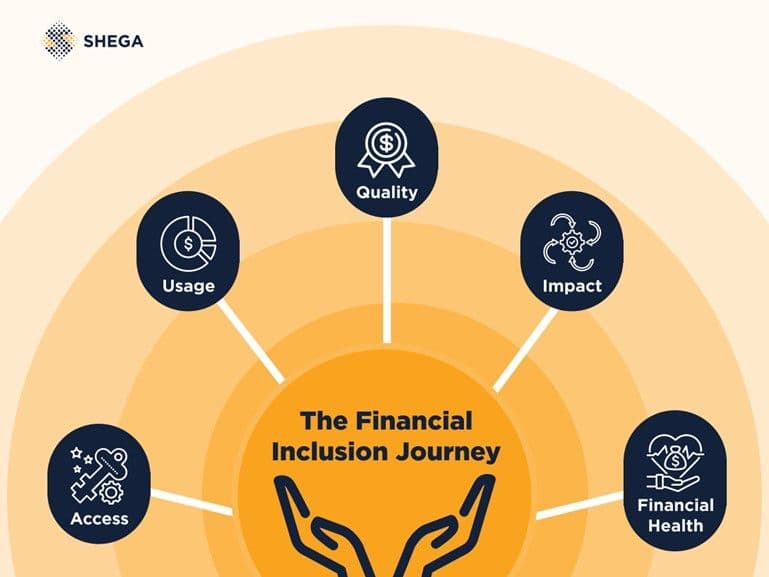
There may be various methods to map the financial inclusion journey, but the following steps are typically recognized to understand the development within a specific market.
Quick Links
#Finacial InclusionShare this post:
Tewodros Tassew
At Shega, we do more than tell stories. We help you make an impact. Our platforms, data, and expertise connect brands, organizations, and investors to the audiences and insights that matter.
Reach, engage, and grow with us.
Get in Touch
Insights into the Personal Data Protection Proclamation
02 September 2024
Latest Stories
25 February 2026
𝗖𝘂𝗽𝗶𝗱’𝘀 𝗖𝘂𝗿𝗿𝗲𝗻𝗰𝘆: 𝗚𝗹𝗼𝗯𝗮𝗹 𝗧𝗿𝗮𝗱𝗲 𝗦𝗵𝗮𝗽𝗲𝘀 𝗔𝗱𝗱𝗶𝘀 𝗔𝗯𝗮𝗯𝗮’𝘀 𝗩𝗮𝗹𝗲𝗻𝘁𝗶𝗻𝗲’𝘀 𝗗𝗮𝘆 𝗥𝗼𝘀𝗲𝘀
By Bethel TesfayeLatest Stories
𝗖𝘂𝗽𝗶𝗱’𝘀 𝗖𝘂𝗿𝗿𝗲𝗻𝗰𝘆: 𝗚𝗹𝗼𝗯𝗮𝗹 𝗧𝗿𝗮𝗱𝗲 𝗦𝗵𝗮𝗽𝗲𝘀 𝗔𝗱𝗱𝗶𝘀 𝗔𝗯𝗮𝗯𝗮’𝘀 𝗩𝗮𝗹𝗲𝗻𝘁𝗶𝗻𝗲’𝘀 𝗗𝗮𝘆 𝗥𝗼𝘀𝗲𝘀
25 February 2026


Insights into the Personal Data Protection Proclamation
02 September 2024