Ad

Ad

Progress for group 0 ad

Asresahegn Yilma
Addis Ababa, Ethiopia
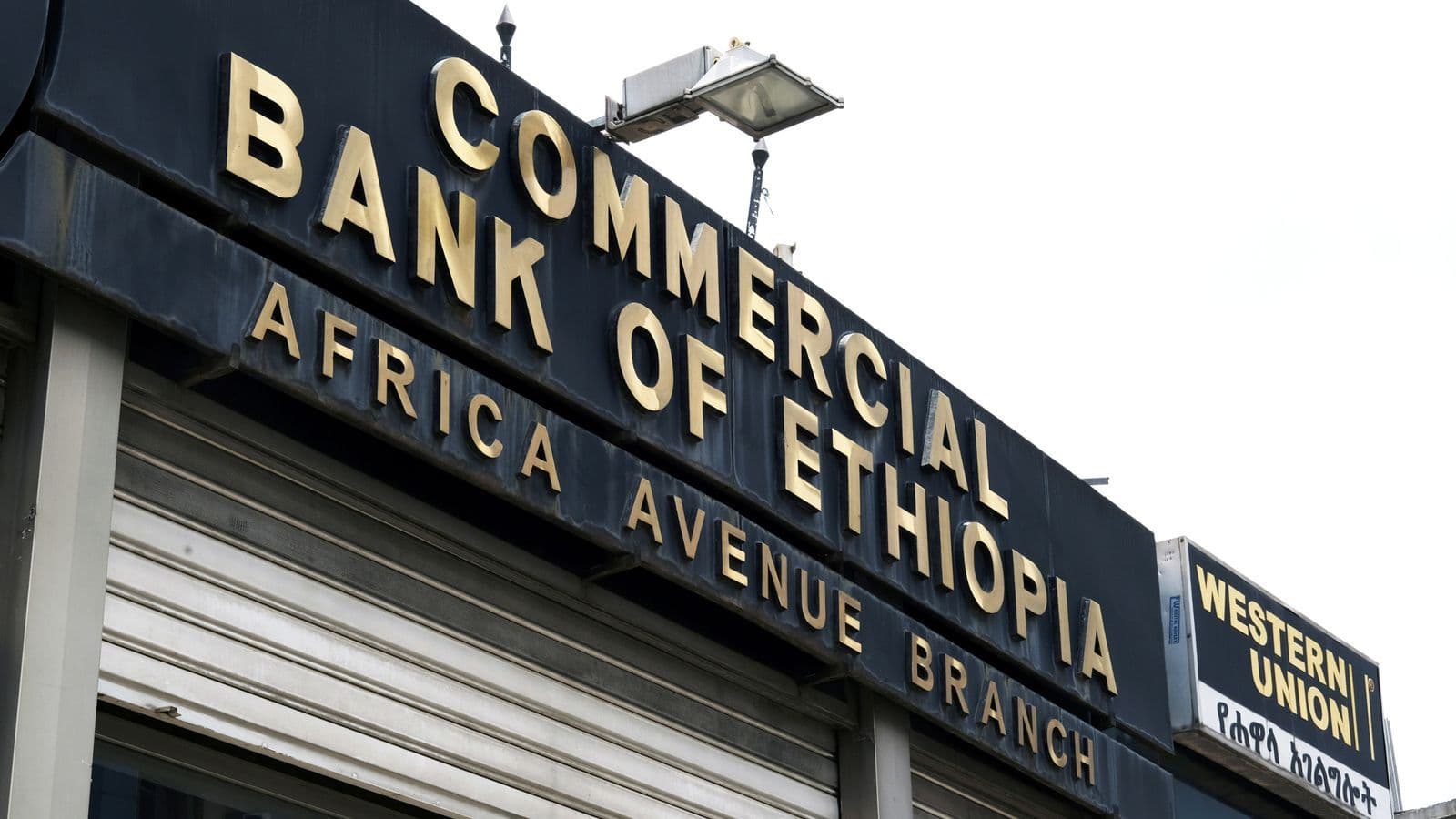
In a recent article titled “Is the Commercial Bank of Ethiopia’s Introduction of New Banking Fees Justified?” by Omer Hussein, the introduction of new banking fees by the Commercial Bank of Ethiopia (CBE) is scrutinized, raising questions about its necessity and fairness.


While the article presents valid concerns, a closer examination of the economic landscape and the challenges faced by CBE provides a more nuanced understanding of the rationale behind these fee adjustments.
Firstly, it’s essential to acknowledge the changing economic environment in Ethiopia. As inflation rates rise and operating costs increase, businesses across various sectors are compelled to adjust their prices to remain sustainable.


The banking industry is no exception, with CBE facing mounting expenses associated with vendor payments for essential systems like core banking, and mobile banking services, and rising costs of materials such as ATM machines, POS machines, and stationery, including withdrawal, deposit, and transfer vouchers, passbooks, CPOs, checkbooks. Without adjusting fees to reflect these realities, it would be challenging for CBE to remain profitable and sustainable in the long term. For a bank that has been accustomed to offering services without charges, these adjustments may seem novel. However, they are a pragmatic response amid escalating operational costs.
Moreover, CBE’s decision to introduce new fees is not arbitrary but rather a strategic response to evolving market dynamics. While the bank has historically provided certain services for free, the changing economic landscape requires a reassessment of this approach.
For many years, CBE has offered its customers Local Money Transfer Service (LMTS) with varying service charges starting from 10 birr, 15 birr, and 25 birr, depending on the amount of money transferred. However, approximately 12 years ago, CBE began to incentivize customers to open and maintain accounts by offering free transfers between accounts of the same bank, regardless of the amount of money and frequency of the transaction. This shift in strategy reflects the bank’s evolving objectives and other private banks followed suit.
Before five years, the bank’s external consultants, including Frankfurt and Boston Consulting Groups, expressed surprise at the absence of charges for the services provided, questioning, “What kind of business doesn’t charge its customers for the service it provides?” They repeatedly suggested implementing charges for the services, but CBE insisted on providing free services to customers until just recently.
Furthermore, comparisons with other private businesses and public organizations highlight the widespread practice of adjusting prices based on current market realities. Public organizations like the Ethiopian Immigration and Citizenship Service (ICS) increased the price of passports from 600 birr to 2,000 birr (that is a whopping 233% increase). Similarly, Ethiopian Airlines have increased its airplane ticket prices for both local and international travel in response to economic pressures. Ethiopian Electric Utility (EEU) increased its electricity price a year ago without eliciting a significant public outcry.
However, the outrage surrounding CBE’s fee adjustments stems from the perception that it is a departure from the bank’s longstanding practice of providing free services.
The short answer is yes, and here’s why: regardless of customer usage, the system is up and running, and there are costs associated with maintaining the system. Some people would argue, “We haven’t been using the mobile banking app or service in the past month or so, and why should we be charged monthly maintenance fees?” However, that argument begs the question: wouldn’t they be charged if they didn’t use the broadband internet they subscribed to in the past month? Certainly not! Of course, they’ll be charged regardless of their usage. This maintenance fee also applies to water and electricity services, whether the customer uses the service or not. The practice of charging maintenance fees regardless of usage is commonplace, not just in the banking industry but also in public organizations and private businesses alike.
Yes, CBE does subsidize some services. Take, for example, the domestic card banking service. The actual cost of producing a single debit card is approximately 300 birr, including additional logistics costs such as transporting the card to the main branch. However, CBE offers new and replacement domestic debit cards for only 50 birr, effectively subsidizing the remaining cost of approximately 250 birr per card. It is worth noting that some private banks provide similar debit card services at twice the price of CBE’s 50 birr.
In addition to the domestic card banking service mentioned earlier, CBE also provides free POS terminals to merchants. The price range of these POS terminals typically varies from approximately ETB 15,000 to 18,000 to 30,000 and more, depending on the model. CBE covers all other costs associated with running the POS business, including SIM card/Ethernet data service every month, as well as thermal paper costs. It’s important to note that this practice is not unique to CBE alone; it’s a standard banking industry practice in Ethiopia. These are just a few examples of the services that most banks provide for free by subsidizing most of the costs, ensuring that the prices don’t fall on consumers.
While the introduction of new service charges by CBE has sparked debate, it’s crucial to understand that these fees should be seen as a form of cost-sharing rather than the primary source of revenue generation for the bank. It is worth noting that while CBE subsidizes some services, the revenue structure of banks in developed countries differs significantly. For example, Share this post: Asresahegn Yilma At Shega, we do more than tell stories. We help you make an impact. Our platforms, data, and expertise connect brands, organizations, and investors to the audiences and insights that matter. Reach, engage, and grow with us.
Partner with Shega

CBE Strengthens Dominance as Smaller Banks Lose Ground
20 March 2026

Ethiopia Shuts Down Entire Betting Industry, Revokes All Licenses
22 December 2025
How to Think about Financial Inclusion in Ethiopia?
17 April 2024
Latest Stories
25 February 2026
𝗖𝘂𝗽𝗶𝗱’𝘀 𝗖𝘂𝗿𝗿𝗲𝗻𝗰𝘆: 𝗚𝗹𝗼𝗯𝗮𝗹 𝗧𝗿𝗮𝗱𝗲 𝗦𝗵𝗮𝗽𝗲𝘀 𝗔𝗱𝗱𝗶𝘀 𝗔𝗯𝗮𝗯𝗮’𝘀 𝗩𝗮𝗹𝗲𝗻𝘁𝗶𝗻𝗲’𝘀 𝗗𝗮𝘆 𝗥𝗼𝘀𝗲𝘀
By Bethel TesfayeLatest Stories
𝗖𝘂𝗽𝗶𝗱’𝘀 𝗖𝘂𝗿𝗿𝗲𝗻𝗰𝘆: 𝗚𝗹𝗼𝗯𝗮𝗹 𝗧𝗿𝗮𝗱𝗲 𝗦𝗵𝗮𝗽𝗲𝘀 𝗔𝗱𝗱𝗶𝘀 𝗔𝗯𝗮𝗯𝗮’𝘀 𝗩𝗮𝗹𝗲𝗻𝘁𝗶𝗻𝗲’𝘀 𝗗𝗮𝘆 𝗥𝗼𝘀𝗲𝘀
25 February 2026


CBE Strengthens Dominance as Smaller Banks Lose Ground
20 March 2026
Ethiopia Shuts Down Entire Betting Industry, Revokes All Licenses
22 December 2025
How to Think about Financial Inclusion in Ethiopia?
17 April 2024