Ad

Ad

Progress for group 0 ad

Etenat Awol
Addis Ababa, Ethiopia
Fueled by a growing appetite for convenience and a youthful, tech-savvy population, Addis Ababa’s food delivery scene is experiencing growth.


This market has attracted a wave of startups, from the pioneer Deliver Addis to Zmall, beU, Tikus, Yetem, Metahu Delivery, and more.
To cultivate user bases and establish a robust delivery culture, these platforms rely on incentives. Discounts have become a key strategy, capitalizing on the desire for a good deal to drive order volume.


While popular with consumers, the inner workings of these discounts remain unknown to the public.
Several key questions remain unanswered: How do discounts influence menu choices? Who shoulders the burden of these discounts—restaurants, platforms, or both? What motivates platforms to offer them?
Shega talked to delivery platforms and restaurants to fully understand the marketing scheme.
Zmall, a multifaceted delivery platform catering to customers’ demands with a variety of restaurant options, groceries, and even dairy products, emerged in 2019.
A product of ETTA Technologies, Zmall currently features over 400 restaurants, 50 supermarkets, and +100k users. The platform also allows people living abroad to spoil their loved ones back home.
Zmall has an average delivery time of 35 minutes. For distances up to three kilometers, the company charges 70 Br, with an additional 7 birr per kilometer thereafter.
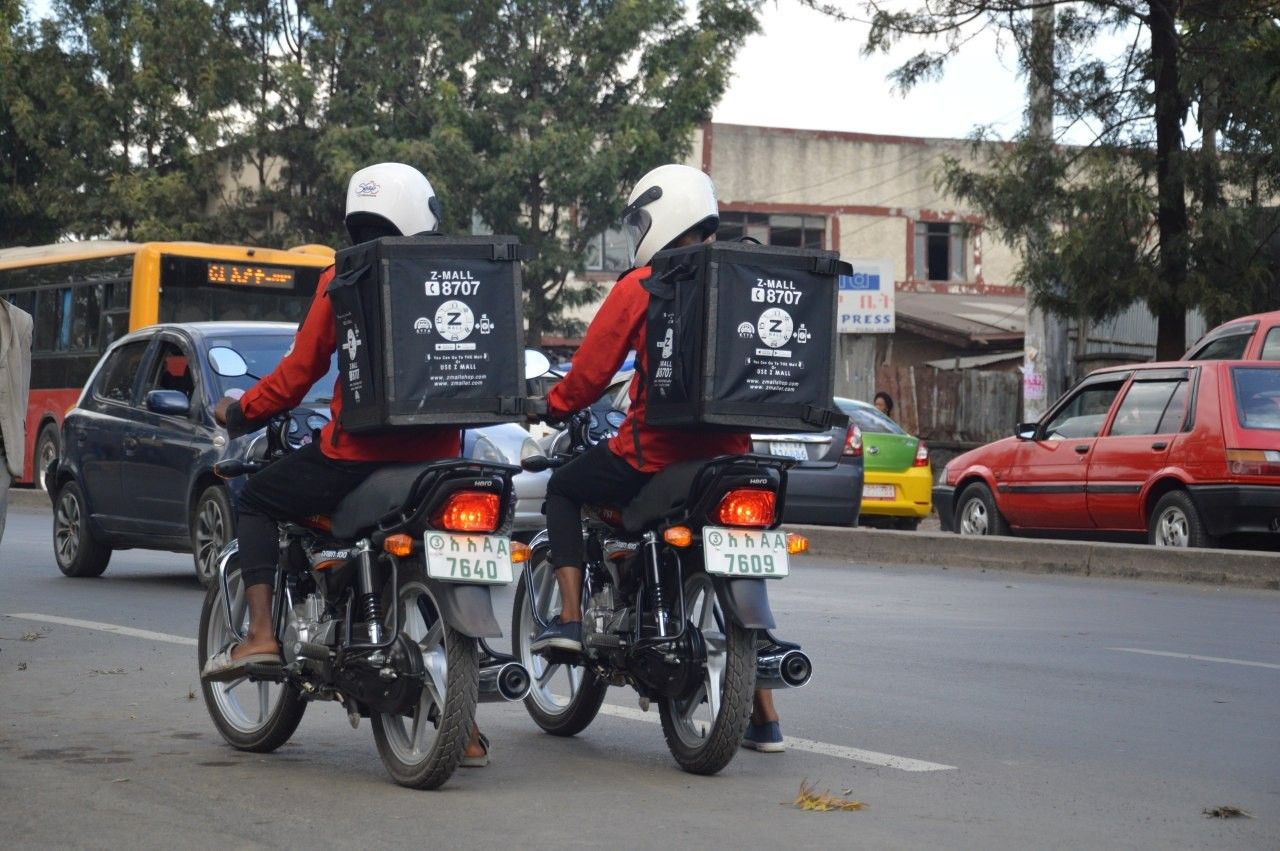
According to Yoseph Hailu, Zmall’s Marketing Manager, food discounts on the platform are a collaborative effort between Zmall and the restaurants themselves. The contribution from each party isn’t always equal. For new restaurants, Zmall shoulders a larger portion of the discount cost to encourage customer interest, given their lower initial sales. “Established restaurants, however, are expected to contribute more towards the discount,” Yoseph explained to Shega.
Zmall spearheads promotional campaigns, developing the overall strategy and pitching it to relevant restaurants on their platform. This strategy includes cost breakdowns and a shared marketing plan. Campaigns can involve giveaways, special offers, and “buy-one-get-one-free” deals facilitated by partnerships with beverage companies.
User data plays a crucial role in planning, with Zmall analyzing trends in customer preferences to design targeted discounts, according to Yoseph.
Zmall also offers general discounts on food items, independent of restaurant promotions. One might wonder, what does Zmall gain from this? Yoseph explains that Zmall’s success relies on the success of its partner restaurants. Initially, Zmall prioritizes user acquisition for new restaurants by promoting them on the platform and encouraging walk-in customers to order online. Once the restaurant reaches a specific user base milestone, Zmall may then request their contribution to future discounts.
Yoseph emphasizes that this collaborative approach to discounts benefits both parties. Restaurants gain increased visibility and customer acquisition. While there are no major drawbacks to the platform itself, Zmall strategically times its requests for restaurant contributions to ensure a win-win situation.
Founded by Hao Zheng, BeU arrived in Addis Ababa in 2021. Known for its distinctive, orange-uniformed bikers, BeU quickly made its name due to its cheaper delivery rates.
It stands as one of the most successful food delivery platforms in Addis Ababa, having over 200,000 users and partnering with more than 600 restaurants.
According to Fikreab Habte, BeU’s Marketing Manager, BeU offers various types of discounts that are popular with its users, including item discounts, menu-wide discounts, discounts on delivery fees, and promo codes.
Item-specific discounts are determined by several factors. “There are customer favorite items,” Fikreab explains. Popular menu items might be discounted to boost sales, while discounts on new items might be offered to encourage customers to try them.
On the other hand, restaurant discounts across the whole menu, which can range from 10% to 50% off the price, are covered by the restaurants themselves.
“We may recommend discounts, especially for newly opened restaurants, to stimulate customer interest, and at the same time, restaurants can also take their own initiative and offer discounts,” said Fikreab.
BeU also employs discounts on delivery and promotional codes for platform-wide promotions, which could include free delivery, holiday packages, happy hour specials, and more. Depending on the size of the campaign such offers could cost BeU between 100,000 birr to 150,000 birr.
“For example, we had a platform-wide promotional code for International Women’s Day. We offered a ‘Women’s Day Promo Code,’ which provided a 10% discount on all orders placed on our platform when redeemed,” Fikreab told Shega.
According to Fikreab, BeU’s business development agents play a crucial role in managing discounts. User data, trending stores, new entrants, top restaurants, and favorite items are analyzed to suggest discount strategies and ulti
Share this post:

Etenat Awol
Etenat holds a degree in Journalism and her master's in Public Relations. Previously, she served as a university lecturer and has five years of experience in communications, media, digital marketing, and consulting.
At Shega, we do more than tell stories. We help you make an impact. Our platforms, data, and expertise connect brands, organizations, and investors to the audiences and insights that matter.
Reach, engage, and grow with us.
Get in Touch
Insights into the Personal Data Protection Proclamation
02 September 2024

Yango Hits 1 Million Users in Ethiopia test
31 August 2024
Can AliExpress Unlock Ethiopia’s E-Commerce Potential?
25 August 2024

Ethiopia’s Delicate Dance with Personal Data Protection
24 August 2024

Ethiopian Tradition Sparks Insurance Revolution
17 August 2024
Latest Stories
25 February 2026
𝗖𝘂𝗽𝗶𝗱’𝘀 𝗖𝘂𝗿𝗿𝗲𝗻𝗰𝘆: 𝗚𝗹𝗼𝗯𝗮𝗹 𝗧𝗿𝗮𝗱𝗲 𝗦𝗵𝗮𝗽𝗲𝘀 𝗔𝗱𝗱𝗶𝘀 𝗔𝗯𝗮𝗯𝗮’𝘀 𝗩𝗮𝗹𝗲𝗻𝘁𝗶𝗻𝗲’𝘀 𝗗𝗮𝘆 𝗥𝗼𝘀𝗲𝘀
By Bethel TesfayeLatest Stories
𝗖𝘂𝗽𝗶𝗱’𝘀 𝗖𝘂𝗿𝗿𝗲𝗻𝗰𝘆: 𝗚𝗹𝗼𝗯𝗮𝗹 𝗧𝗿𝗮𝗱𝗲 𝗦𝗵𝗮𝗽𝗲𝘀 𝗔𝗱𝗱𝗶𝘀 𝗔𝗯𝗮𝗯𝗮’𝘀 𝗩𝗮𝗹𝗲𝗻𝘁𝗶𝗻𝗲’𝘀 𝗗𝗮𝘆 𝗥𝗼𝘀𝗲𝘀
25 February 2026


Insights into the Personal Data Protection Proclamation
02 September 2024
Yango Hits 1 Million Users in Ethiopia test
31 August 2024
Can AliExpress Unlock Ethiopia’s E-Commerce Potential?
25 August 2024
Ethiopia’s Delicate Dance with Personal Data Protection
24 August 2024
Ethiopian Tradition Sparks Insurance Revolution
17 August 2024