Ad

Ad

Progress for group 0 ad

Etenat Awol
Addis Ababa, Ethiopia
Meron Anteneh, a nutritionist in training and a communication consultant by practice, stumbled into the Business Process Outsourcing (BPO) sector by chance. “In 2018, while still in college, I got into Dereja Academy’s internship program and met a fellow intern who heavily utilized LinkedIn,” Meron recalls.


Initially, Meron thought LinkedIn was just another social media platform like Facebook. However, after joining the platform, she discovered its power for career networking and exploration. She diligently built and updated her profile, which proved fruitful. A year later, she received a direct message from a U.S. talent recruiter. “I got the job, and that’s how I ended up working for a company called Tech 1 Factory.”
Earning their trust, she transitioned into recruiting other talented individuals and eventually became a virtual HR manager. Meron worked for the company for over two years, which helped her understand BPO and working with different sets of people.


Meron is among many Ethiopians working in the BPO sector, which is seeing exciting developments. BPO involves subcontracting various business operations to third-party vendors. Although BPO initially applied solely to manufacturing entities, it now encompasses outsourcing various products and services. Many businesses, from small startups to large companies, opt to outsource processes to cut costs, free up internal resources, or gain access to specialized expertise.
According to Investopedia, companies adopt BPO practices in two main areas: back-office and front-office operations. Back-office BPO refers to contracting core business support operations such as accounting, payment processing, IT services, and human resources to outside professionals. In contrast, front-office BPO tasks include customer-related services such as tech support, sales, and marketing.
Currently, the world is witnessing a mass exodus of jobs fueled by the internet. Statista states the global BPO industry is valued at $370 billion in 2024 and is expected to grow to over $440 billion by 2028.
India has one of the largest BPO market sizes in the world, with its Business Process Management (BPM) industry generating $55.5 billion in revenue and employing around 1.4 million people in 2022. Meanwhile, South Africa leads the continent with $461 million in market size, according to a report by McKinsey.
Michael Thomas, a consultant at Shega Insight, states the remote revolution is fueled by a significant talent gap in meeting the increasing demands for skilled professionals in the Western world and employers taking advantage of wage differences to hire talented individuals who can deliver comparable outcomes at a lower cost.
“While McDonald’s doesn’t have a physical presence in Ethiopia, you might be surprised to learn some of their customer service calls are handled by an Ethiopian startup,” said Prime Minister Abiy Ahmed (PhD) during the launch of the Startup Ethiopia Event in April 2024.
The Ethiopian BPO industry is small compared to the global market and its African peers. Since the sector is relatively young, it is difficult to pinpoint a definitive figure for its size. However, the sector employed over 3,350 people in 2021 and had a market value of $34 million.
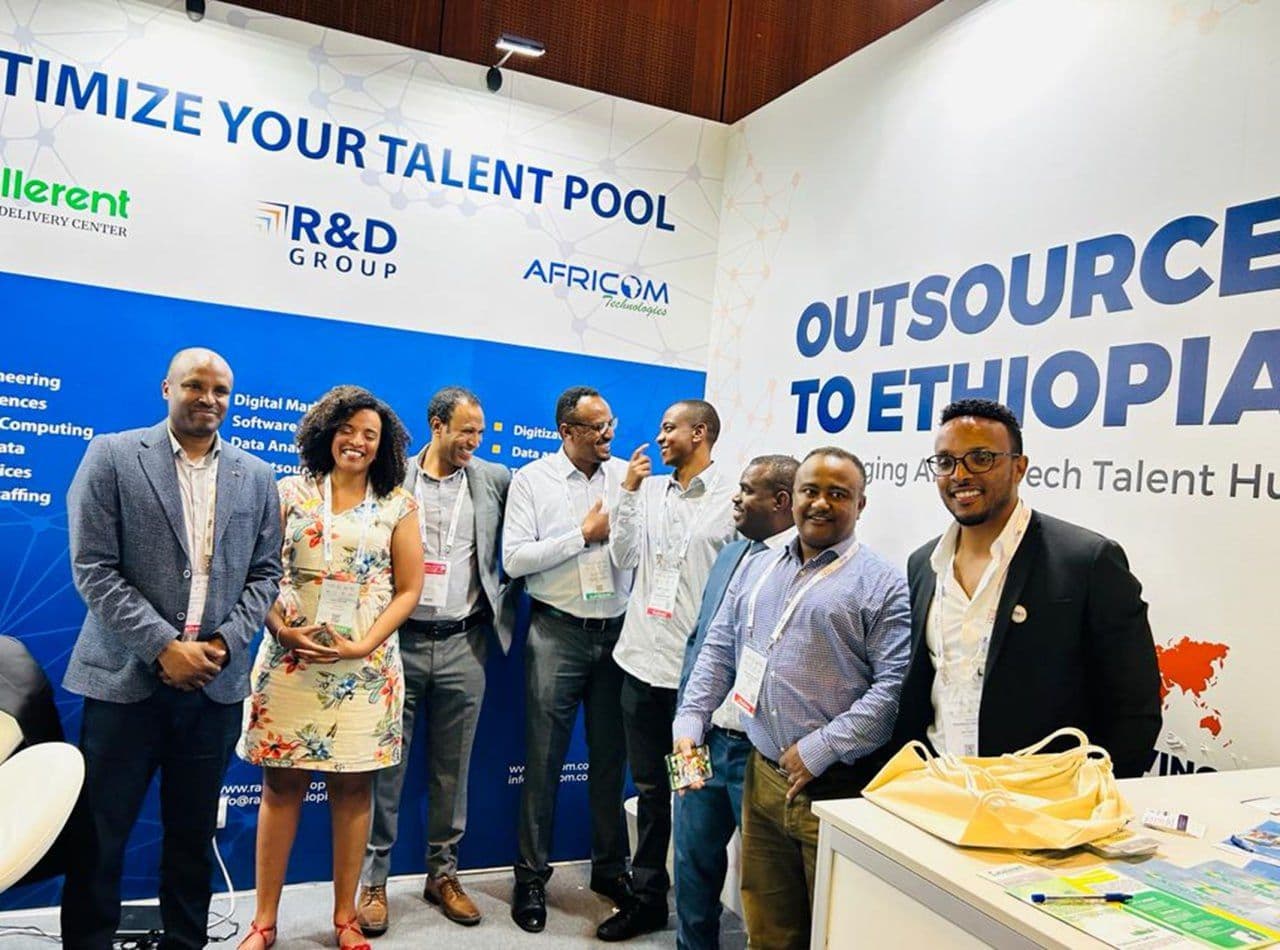
Baheru Zeynu, CEO of Africom Technologies and General Secretary of the Ethiopian Outsourcing Association (EOA), states the actual number is higher. “Currently, there are 25 registered BPO companies in Ethiopia, with around 15,000 people engaged in the sector, including remote workers on platforms like Upwork,” Baheru told Shega. “The sector also brings an estimated $50 million annually into Ethiopia.”
The EOA represents offshore outsourcing services and service providers, including firms such as R&D, MMCY Tech, Exellerent Solution, IE Networks, Nedamco, Africom Technologies, and other tech companies. These firms provide a vast array of services to a global clientele, serving big names like McDonald’s, Gilead, DSTV, ORTEC Sports, and Heineken. Telecom liberalization, a favorable time zone for Europe, government recognition, a significant number of graduates, lower wage rates, infrastructure improvement, and partnerships with ICT parks have all contributed to a positive operating environment.
When R&D was established in 2010, the outsourcing sector lacked a specific licensing category, resulting in the need for two separate licenses: software development and data processing. Now, with a unified licensing regime, the sector is recognized as a major strategic pillar of economic growth by the Ministry of Innovation and Technology (MinT).
Wondwosen Zewode, co-founder of R&D and the Association’s President views this as a key factor in the industry’s success and potential for generating high-quality jobs. His company, R&D, alone employs over 130 people, with the number increasing based on outsourcing demand peaks. MMCY Tech employs over 700 professionals and works with several compa
Quick Links
#BPOShare this post:

Etenat Awol
Etenat holds a degree in Journalism and her master's in Public Relations. Previously, she served as a university lecturer and has five years of experience in communications, media, digital marketing, and consulting.
At Shega, we do more than tell stories. We help you make an impact. Our platforms, data, and expertise connect brands, organizations, and investors to the audiences and insights that matter.
Reach, engage, and grow with us.
Get in Touch
CBE Strengthens Dominance as Smaller Banks Lose Ground
20 March 2026

Ethiopia Shuts Down Entire Betting Industry, Revokes All Licenses
22 December 2025
How to Think about Financial Inclusion in Ethiopia?
17 April 2024
Latest Stories
25 February 2026
𝗖𝘂𝗽𝗶𝗱’𝘀 𝗖𝘂𝗿𝗿𝗲𝗻𝗰𝘆: 𝗚𝗹𝗼𝗯𝗮𝗹 𝗧𝗿𝗮𝗱𝗲 𝗦𝗵𝗮𝗽𝗲𝘀 𝗔𝗱𝗱𝗶𝘀 𝗔𝗯𝗮𝗯𝗮’𝘀 𝗩𝗮𝗹𝗲𝗻𝘁𝗶𝗻𝗲’𝘀 𝗗𝗮𝘆 𝗥𝗼𝘀𝗲𝘀
By Bethel TesfayeLatest Stories
𝗖𝘂𝗽𝗶𝗱’𝘀 𝗖𝘂𝗿𝗿𝗲𝗻𝗰𝘆: 𝗚𝗹𝗼𝗯𝗮𝗹 𝗧𝗿𝗮𝗱𝗲 𝗦𝗵𝗮𝗽𝗲𝘀 𝗔𝗱𝗱𝗶𝘀 𝗔𝗯𝗮𝗯𝗮’𝘀 𝗩𝗮𝗹𝗲𝗻𝘁𝗶𝗻𝗲’𝘀 𝗗𝗮𝘆 𝗥𝗼𝘀𝗲𝘀
25 February 2026


CBE Strengthens Dominance as Smaller Banks Lose Ground
20 March 2026
Ethiopia Shuts Down Entire Betting Industry, Revokes All Licenses
22 December 2025
How to Think about Financial Inclusion in Ethiopia?
17 April 2024