Ad

Ad

Progress for group 0 ad

Partner Content
Addis Ababa, Ethiopia
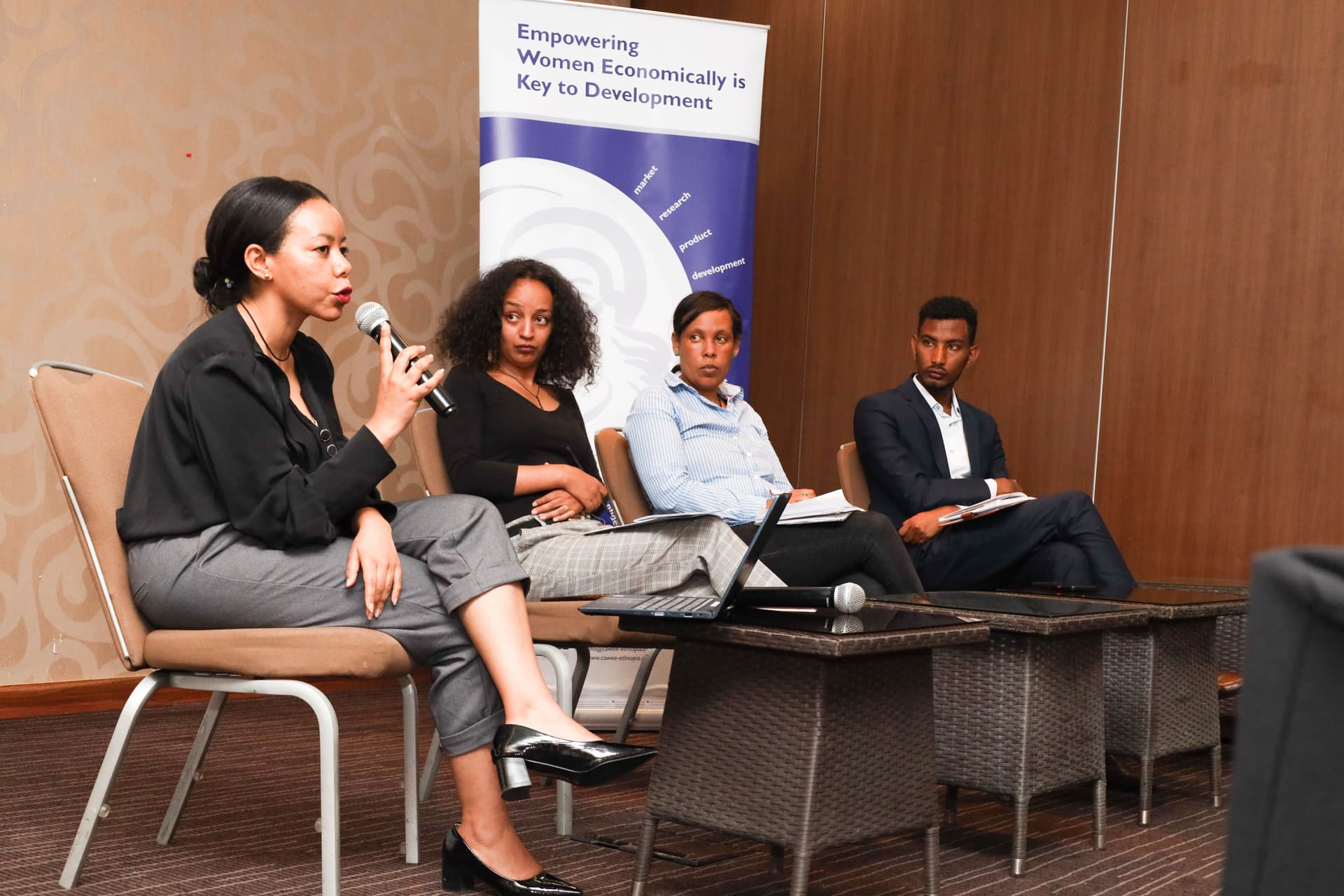
On October 9th, a collective of creative minds, innovators, researchers, regulators, and entrepreneurs gathered at the Radisson Blu Hotel in Addis Ababa for the Mesirat Knowledge Series on Digital ID, Taxation, and Gig Workers’ Employment Classification. The event marked the inaugural knowledge series of the Mesirat Entrepreneurship Program, designed to spearhead Ethiopia’s gig economy. The gathering highlighted the complexities and uncertainties surrounding the licensing of gig platforms in Ethiopia and its subsequent implication.


***
Facilitated by the growth of mobile devices, internet penetration, urbanization, and high youth unemployment rates, the gig economy in Ethiopia has been gaining traction in recent years. Several platforms have emerged over the years, connecting workers to various gigs. These range from ride-hailing services such as Yango to delivery and creative gig platforms like Findall.


According to Mesirat’s recent policy digest on gig platforms published in September 2023, the surge extends beyond the capital to Gonder, Pawi, Metema, Adama, Bure, Nekemet, Jima, Mizan, and Wolaita, marking major regional expansions in the last two years. Despite this significant milestone in the Ethiopian gig economy, the ease of doing business for gig startups remains a challenge.
This same study, titled Gig Platforms and Gig Workers Classification and Taxation in Ethiopia by Laurendeau & Associates, has found that more than half of gig businesses in Ethiopia have encountered difficulties in determining the appropriate classification and obtaining the necessary license.
Gig businesses are required to obtain licenses tailored to the specific sectors they work in, while some are even required to get multiple licenses to provide a single business. These findings were reported earlier in another study by Cepheus Growth Capital in 2020. But the problem still persists.
The L&A study states, “There is a gig platform that was initially registered as a software development company. As it began offering job matching services for gig workers in the HomeServices sector, it was required that it obtains a license for labor recruitment and linkage. The company was again required to obtain a construction and finishing license to link plumbers and painters with customers.”
To understand how gig platforms are navigating the existing legislation and lack of appropriate classification, we spoke with startups, from recent entrants like Yango and Findall to established ones such as GoodayOn, Mogzit, and Freelance Ethiopia. We also further explored the reality on the ground by taking the issue to policy experts and stakeholders.
“Findall came to life following a conversation with my partner Beki (Co-founder and COO), where we recognized a shortage of stock images and design assets that truly capture the essence of the Ethiopian identity.’’ Markos Awraris, the CEO and co-founder of Findall, told Shega.
The platform emerged from a shared passion for empowering creatives by providing a platform that enables them to showcase their work and connects them to clients. “We envisioned a space that brings together diverse talents, fosters collaboration, and enables success. And our journey began with a desire to bridge the gap between creatives and opportunities, ultimately leading to the creation of Findall”, underscores Berket Getnet, co-founder and COO.
Ethiopia’s growing economy presents immense opportunities for a creative gig-work platform like Findall. As the country embraces digital transformation, there’s a rising demand for diverse creative services. The platform aims to tap into this demand and contribute to the creative economy.
The platform is currently operating under the umbrella of BerberaMarket.com and intends to become an autonomous entity.
“Yet there are no specific categories available for us, and the exact trajectory of the subsequent process remains unknown,” Bereket added.

“Securing foreign investment for Ethiopian-based startups is an uphill battle. Even after successfully obtaining investment, transferring funds to Ethiopia is a formidable challenge. This stems from the lack of proper licensing procedures and efficient coordination between city and federal government offices,” remarks Alem Abreha, co-founder and CEO of GoodayOn. GoodayOn, a pioneering digital gig marketplace in Ethiopia, facilitates connections between skilled service providers such as domestic help and home repair professionals with clients, emphasizing convenience, affordability, and quality through technology-driven high-precision matching.
Since its inception in 2020 by Alem and Tigist Afework during the COVID-19 pandemic, GoodayOn has emerged as one of Ethiopia’s leading digital gig marketplaces. It boasts over 150,000 app downloads, more than 40,000 gig workers, around 290,000 gig worker searches, and over 80,000 successful gig matches.
Nevertheless, the absence of standardized licensing for gig platforms poses continuous obstacles for GoodayOn, affecting funding and investment operations. Initially operating under a digital marketing license, GoodayOn transitioned to a software development license due to the barriers faced in securing an investment permit for foreign direct investment. Despite these adjustments, challenges remain prevalent.
“We secured funding from a Japanese Venture Capital (VC) firm based in the US for our Delaware-incorporated holding entity in late May. However, despite having a software development license, now we are in the fifth month since we started the process towards an investment license and we are still in a bureaucratic shuffle between the investment c
Share this post:
Partner Content
At Shega, we do more than tell stories. We help you make an impact. Our platforms, data, and expertise connect brands, organizations, and investors to the audiences and insights that matter.
Reach, engage, and grow with us.
Get in Touch
CBE Strengthens Dominance as Smaller Banks Lose Ground
20 March 2026

Ethiopia Shuts Down Entire Betting Industry, Revokes All Licenses
22 December 2025
How to Think about Financial Inclusion in Ethiopia?
17 April 2024
Latest Stories
25 February 2026
𝗖𝘂𝗽𝗶𝗱’𝘀 𝗖𝘂𝗿𝗿𝗲𝗻𝗰𝘆: 𝗚𝗹𝗼𝗯𝗮𝗹 𝗧𝗿𝗮𝗱𝗲 𝗦𝗵𝗮𝗽𝗲𝘀 𝗔𝗱𝗱𝗶𝘀 𝗔𝗯𝗮𝗯𝗮’𝘀 𝗩𝗮𝗹𝗲𝗻𝘁𝗶𝗻𝗲’𝘀 𝗗𝗮𝘆 𝗥𝗼𝘀𝗲𝘀
By Bethel TesfayeLatest Stories
𝗖𝘂𝗽𝗶𝗱’𝘀 𝗖𝘂𝗿𝗿𝗲𝗻𝗰𝘆: 𝗚𝗹𝗼𝗯𝗮𝗹 𝗧𝗿𝗮𝗱𝗲 𝗦𝗵𝗮𝗽𝗲𝘀 𝗔𝗱𝗱𝗶𝘀 𝗔𝗯𝗮𝗯𝗮’𝘀 𝗩𝗮𝗹𝗲𝗻𝘁𝗶𝗻𝗲’𝘀 𝗗𝗮𝘆 𝗥𝗼𝘀𝗲𝘀
25 February 2026


CBE Strengthens Dominance as Smaller Banks Lose Ground
20 March 2026
Ethiopia Shuts Down Entire Betting Industry, Revokes All Licenses
22 December 2025
How to Think about Financial Inclusion in Ethiopia?
17 April 2024