Ad

Ad

Progress for group 0 ad

Anteneh
Addis Ababa, Ethiopia
CIPE in partnership with Shega and Swaye Ventures Launch Research Study and Policy Brief on How to Unlock Access to Finance for MSMEs in Ethiopia Through Digital Channels.


The Ethiopian economy has enjoyed rapid and sustained growth – at higher rates, for the last decade, barring recent shocks. But, it faces a chronic capital shortage where state-owned or affiliated enterprises crowd out private sector financing.
Micro, Small, and medium-sized enterprises (MSMEs) can play pivotal roles in this economic development but are often overlooked, and their needs, particularly financing, are neglected.


Digitalization, a relatively new development for the financial industry in frontier markets, can be a key enabler to address this issue.
This is why the Center For International Private Enterprise partnered with Shega Media and Technology PLC and Swaye Ventures to study how digital financial services (DFS) can bridge the financing gap MSMEs face in Ethiopia and policies conducive to such adoption.
This study and follow-up deliverables are part of a project that CIPE is implementing with the aim of promoting issue-based dialogue on the inclusion of micro, small and medium-sized businesses in national policy dialogues on the digital economy and building the capacity of public, private, and civic leaders to support private sector participation in policy development around economic transformation.
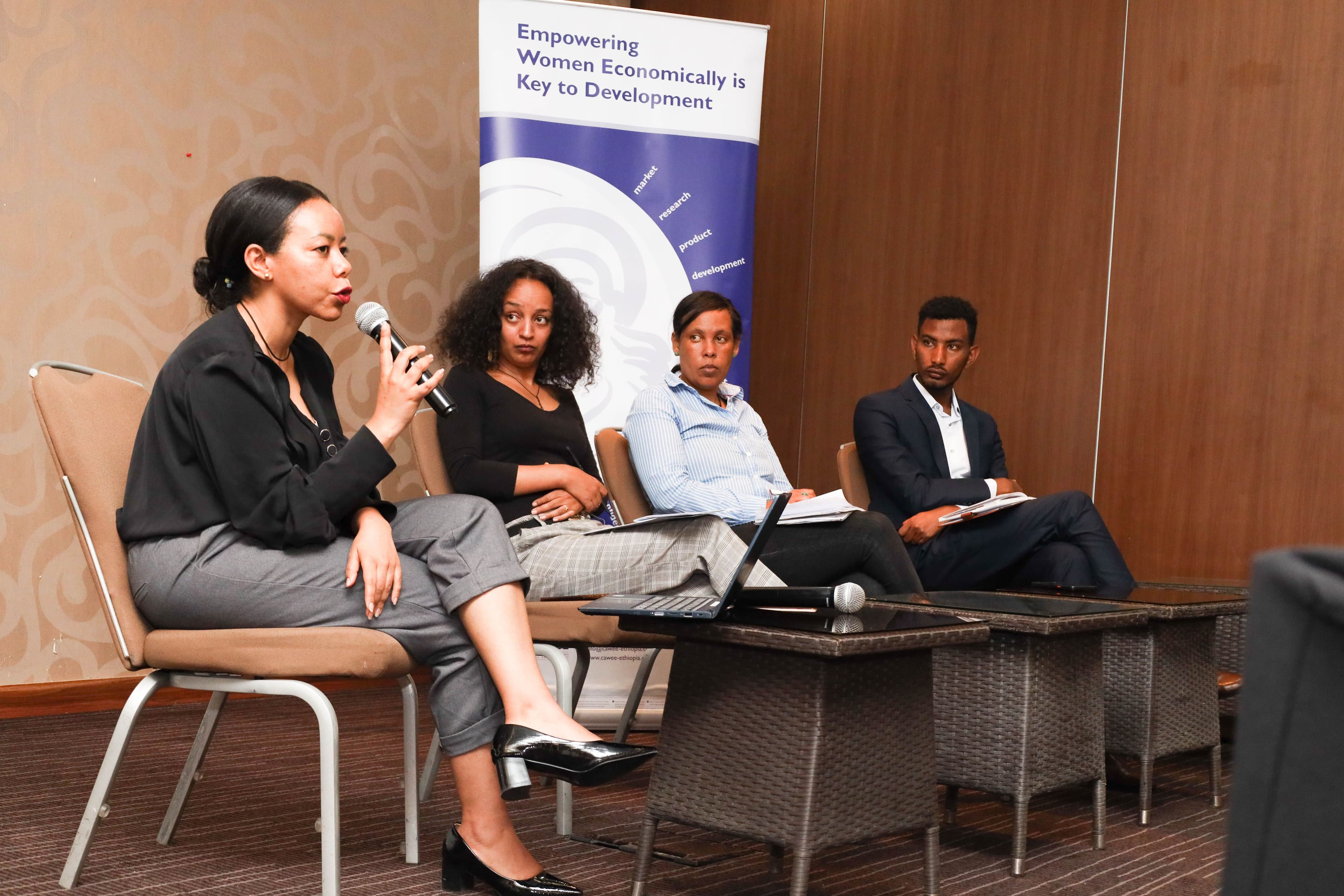
The production of a research study, a policy brief, and a follow-up MSME toolkit which took more than a year included more than 1200 MSMEs across five major cities and engaged more than 40 stakeholders was launched officially at Sky Light Hotel on September 1, 2022, with a presence of High government officials including State Minister for Innovation and Technology, H.E Huria Ali as well as policymakers, entrepreneurs, Financiers, and ecosystem players.
The launch event held with a theme of Inclusion of MSMEs in the Digital Economy: Providing Access to Capital through Digital Channels provided an overview of the research study and process taken, facilitated discussion between participants and representatives from National Bank, MINT, and Shega and Swaye Ventures.
The study aimed to understand the debt financing ecosystem and identify opportunities for digital finance vehicles to unlock capital for Ethiopian MSMEs, both through structural and policy initiatives. Specifically :
The research used a survey, desk research, and key stakeholder inputs to identify the critical barriers and possible opportunities for digital financing in Ethiopia. The research employed a clustered random sampling strategy that encompassed 5 cities for the survey and used purposive sampling for the key stakeholders we interviewed. We synthesized information acquired from primary data sources, desk research, and the experience of other countries to identify the critical challenges and develop recommendations.
Only 36% of the respondents ever successfully acquired loans, while the rest either didn’t apply or were denied, predominantly because they didn’t have enough collateral to pledge. Most businesses surveyed started their business with personal savings and support/loans from family and friends while only 14% got an injection from formal financial institutions, and the rest started with retained earnings from previous businesses. Banks are mostly inaccessible for MSMEs, 69% of MSMEs for Micro Finance Institutions to apply for a loan while 15 of them go to Bank.
Collateral requirements, high-interest rates, and long approval processes are hindering MSMEs from accessing finance. An overwhelming majority ( 75% ) of the rejected MSMEs indicated they were denied loans because they didn’t have collateral. High-interest rates were identified as a critical challenge that impacts access to credit by a fourth of surveyed MSMEs. In addition, some commercial banks can take up to a year to approve a loan for MSMEs, which has caused 23% of our respondents to not seek commercial loans.
The research finds our that digital skillset, awareness, and digital infrastructure are key issues that should be addressed. The majority of MSMEs noted that they did not use an email (96%) nor have a website (99%), which indicts their digital literacy levels. However, this does not entirely paint the full picture regarding since cell numbers have evolved to become an access point to digital solutions in emerging markets like Ethiopia. Digital platforms have to be easily manageable and understandable by MSMEs to be adopted well since 66% of the MSMEs surveyed noted they would use it more if it were easier to use. Lack of interoperability, which came from 41% of the businesses, followed by lack of trust in its security were also highlighted as reasons why MSMEs wouldn’t use digital financing tools.
Most MSMEs don’t consider accessing finance using a digital platform as a possibility with receiving payment, paying salary, and saving being considered as the top three use-cases of digital platforms.
Share this post:

Anteneh
At Shega, we do more than tell stories. We help you make an impact. Our platforms, data, and expertise connect brands, organizations, and investors to the audiences and insights that matter.
Reach, engage, and grow with us.
Get in Touch
CBE Strengthens Dominance as Smaller Banks Lose Ground
20 March 2026

Ethiopia Shuts Down Entire Betting Industry, Revokes All Licenses
22 December 2025
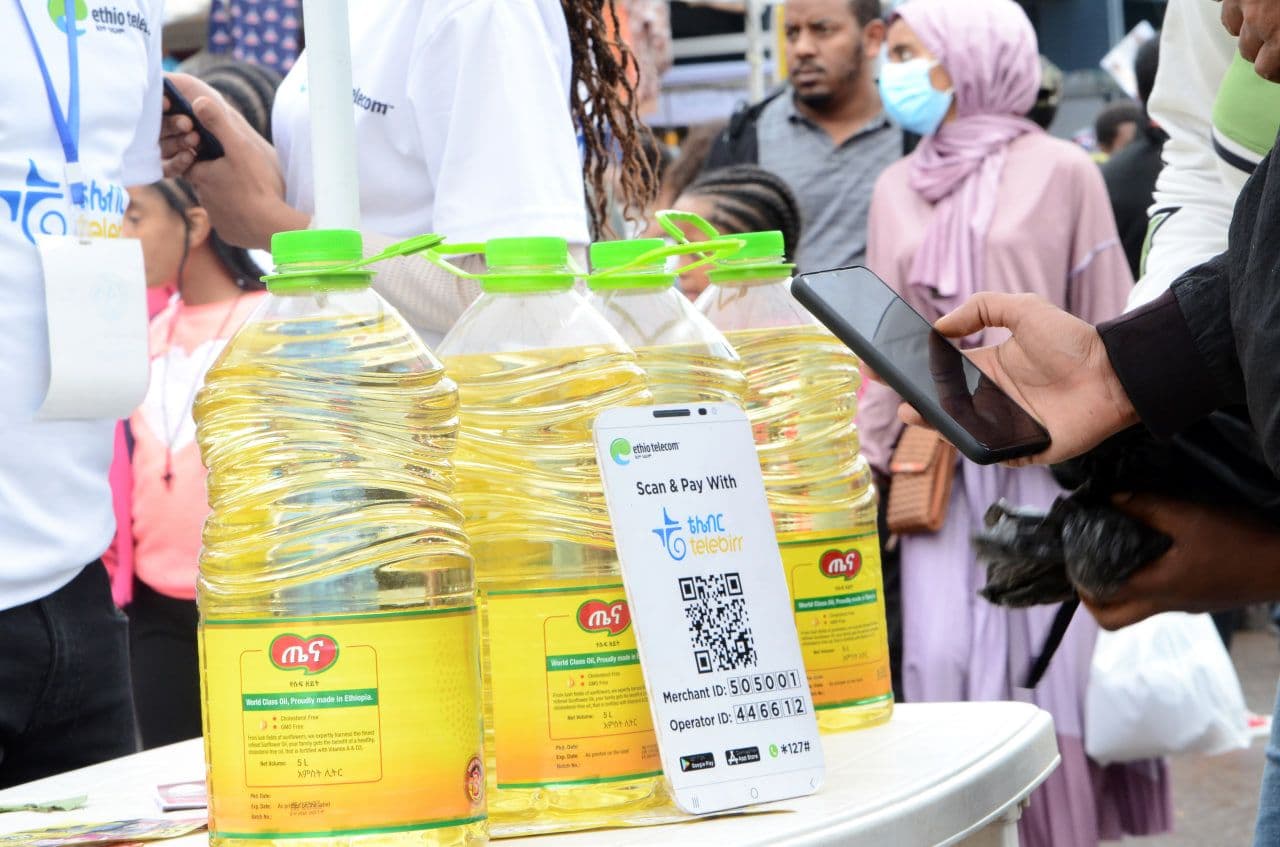
How to Think about Financial Inclusion in Ethiopia?
17 April 2024
Latest Stories
25 February 2026
𝗖𝘂𝗽𝗶𝗱’𝘀 𝗖𝘂𝗿𝗿𝗲𝗻𝗰𝘆: 𝗚𝗹𝗼𝗯𝗮𝗹 𝗧𝗿𝗮𝗱𝗲 𝗦𝗵𝗮𝗽𝗲𝘀 𝗔𝗱𝗱𝗶𝘀 𝗔𝗯𝗮𝗯𝗮’𝘀 𝗩𝗮𝗹𝗲𝗻𝘁𝗶𝗻𝗲’𝘀 𝗗𝗮𝘆 𝗥𝗼𝘀𝗲𝘀
By Bethel TesfayeLatest Stories
𝗖𝘂𝗽𝗶𝗱’𝘀 𝗖𝘂𝗿𝗿𝗲𝗻𝗰𝘆: 𝗚𝗹𝗼𝗯𝗮𝗹 𝗧𝗿𝗮𝗱𝗲 𝗦𝗵𝗮𝗽𝗲𝘀 𝗔𝗱𝗱𝗶𝘀 𝗔𝗯𝗮𝗯𝗮’𝘀 𝗩𝗮𝗹𝗲𝗻𝘁𝗶𝗻𝗲’𝘀 𝗗𝗮𝘆 𝗥𝗼𝘀𝗲𝘀
25 February 2026


CBE Strengthens Dominance as Smaller Banks Lose Ground
20 March 2026
Ethiopia Shuts Down Entire Betting Industry, Revokes All Licenses
22 December 2025
How to Think about Financial Inclusion in Ethiopia?
17 April 2024