Ad

Ad

Progress for group 0 ad
Team Shega
Addis Ababa, Ethiopia
By Ibrahim Mamma and Endashaw Tesfaye

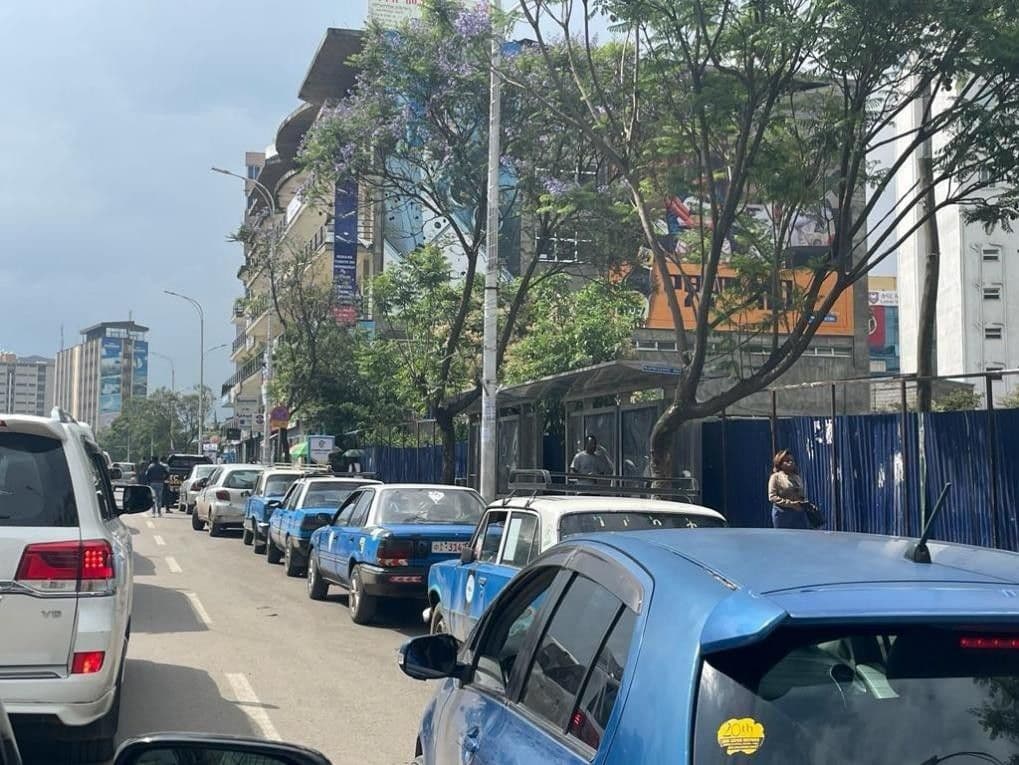
Since April 24, 2023, all 153 gas stations in Addis Ababa have started implementing digital fuel transactions, meaning that all payments now need to be made using digital payment platforms, fully replacing cash. This caused chaotic lines across the city’s main fuel stations because vehicles queued for hours to access the service and pump fuel. Many people on social and traditional media, as well as in public, are expressing frustration with how the decision and the service have been rolled out.
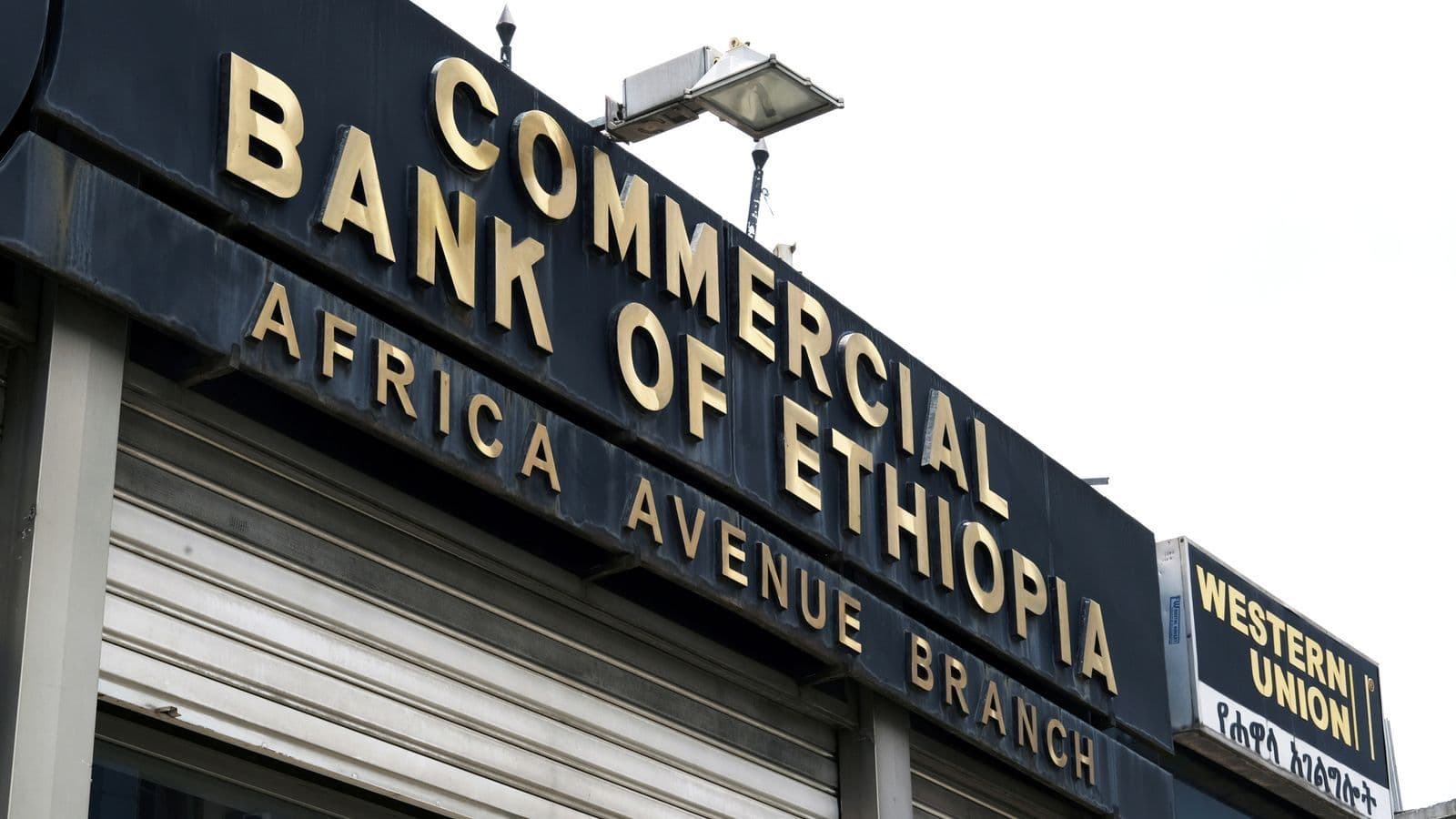
The concerns raised partly have to do with the limits of the apps used for payment. Initially, the service was launched using the recently launched EthioTelecom’s Superapp telebirr, despite the state-owned Commercial Bank of Ethiopia having launched its CBE-Nedaj (translated as CBE-Fuel) app in August 2022. A few days later, in response to mounting pressure and lengthy queues of frustrated drivers, other financial service providers rushed to provide the service and fill the gap.


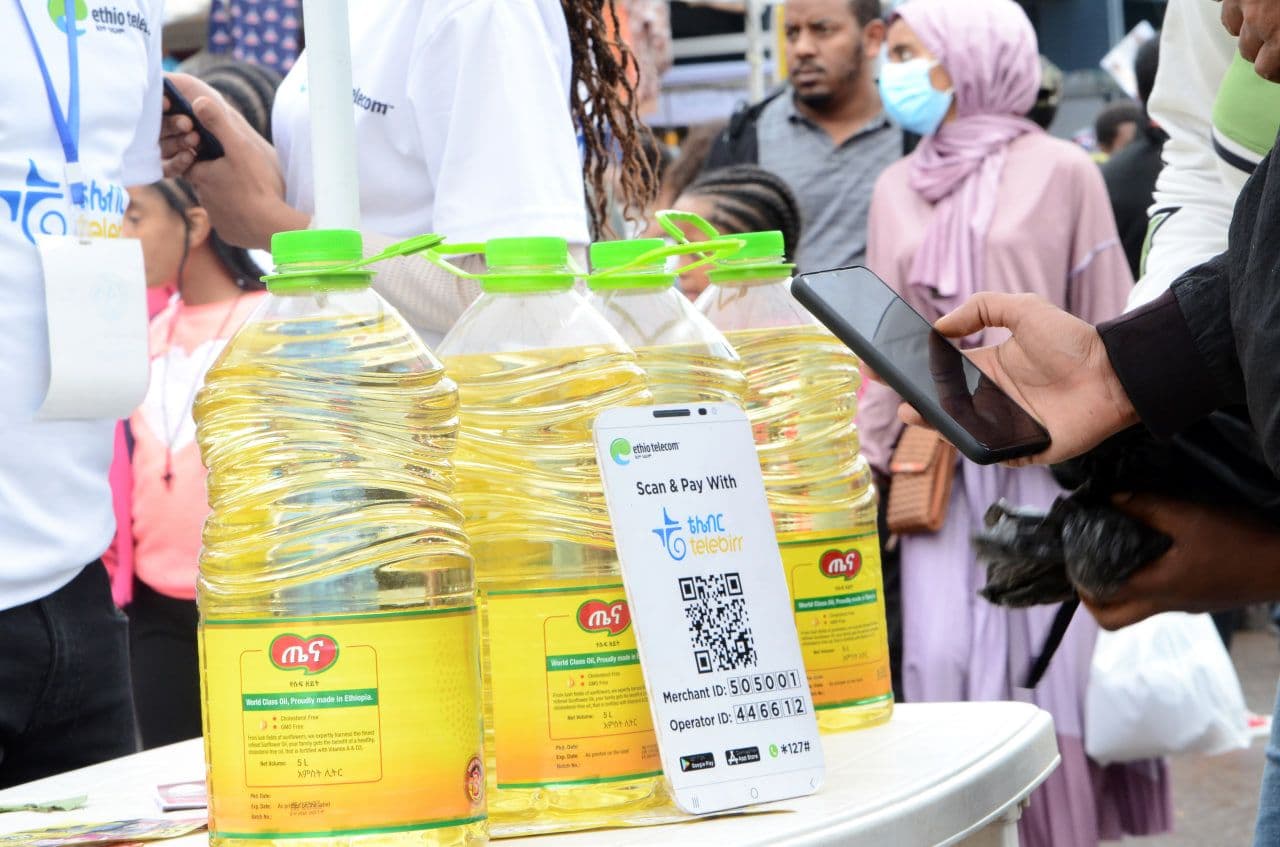
This new initiative is a unique opportunity for telebirr and the Commercial Bank of Ethiopia (CBE) to increase adoption of payment services at gas stations. To facilitate this, however, the telebirr team was tasked with enabling transactions and registering alongside gas station pump attendants while customers fueled up their cars. The situation has also seen a rise in hawkers providing short-term relief. They take cash from drivers in the queue who do not have payment apps and, in turn, make the digital payment to the fuel attendants. They also assist them in registering for the available services, all for a small fee.
All of this happened because many drivers didn’t have the telebirr app, have never used it for making payments, and were caught off-guard when arriving to get fuel. Interestingly, a good number of drivers also did not have smartphones that allowed for downloading the super app or any other payment app required to fuel up. Even if the service was available on their phone, the registration and depositing took too long for some clients. Others arrived at the station without any information that the payment had migrated digitally. It is evident that a combination of these factors caused delays in pumping gas and making payments, leading to long and chaotic queues.
Analyzing the good, the bad, and the ugly of the current situation brings up a multitude of lessons for addressing the current challenges in fuel access. It also provides insights into what is to come in the country’s journey towards digitalization.
Timing: While many argue that the introduction of the service and the banning of cash were sudden, there are indications that the government provided a reasonable lead time in the build-up to the complete migration. Most importantly, after a periodic increase in fuel prices, the government introduced fuel subsidies for public transport vehicles, such as taxis and minibusses. These vehicles had been using the telebirr system to access their subsidized fuel, allowing the government to control the distribution of the subsidies. However, this highlights the importance of timing in introducing digital payment services, which remains a crucial factor to consider going forward.
Awareness/sensitization: Creating enough awareness and sensitizing the public about new services is also an essential element, particularly when it comes to the timing of their introduction. While awareness among customers is crucial, service providers missed a big opportunity to educate and increase adoption of the payment services at gas stations ahead of the complete move to digital payment. As initially selected service providers, CBE and telebirr could have used the grace period provided by the government to educate, register, and make clients at the gas stations aware of the digital payments and the launch of the complete digital service ahead of the specified date.
A driver at least visits the gas station once every two or three weeks, if not more, which was also the notice period initially provided by the government. The service providers could have, jointly with the 153 gas stations in the city, planned ways to make the service efficient, the processes smooth, and the waiting time shorter. It seems the gas stations were caught by surprise the same way customers were, hoping the law might not be enacted even though some preparations were being made.
However, with the time lead and preparation, service providers needed to be adequately prepared or heavily promoting the new service’s implementation. The time could also have been used to prepare sufficient support services and invest in process improvement and instruments such as smartphones, QR codes, payment terminals, etc. This is essential for payment service providers such as telebirr.
In what appears to be an afterthought, EthioTelecom has set up tents and deployed agents at every gas station to support customers. Similarly, the Commercial Bank of Ethiopia and other banks are introducing the service, such as the Cooperative Bank of Oromia, with others in the pipeline. If the same urgency in deploying services had been applied to educating customers and gas stations, these lengthy queues and waiting times could have been effectively avoided.
Testing the service: This definitely highlights the issue of access. What are service providers doing to make access easy? What if this service had not been mandatory? What if customers could opt in and out of using digital payment for pumping fuel? What opportunities does such mandatory government action present to merchant payment aggregators, considering that it could be overwhelming for gas station owners to select a financial service provider (FSP) to use while rejecting others? How can the real-time inter-bank settlement product of Eth-switch complement this product? Payment service providers could have lost a lot due to a lack of preparedness in making usage easy and convenient.
From a technological perspective, payment service providers should also prepare for handling such a massive surge of users to avoid crashing the system.
The Addis Ababa City Government has discussed with other financial institutions, exploring opportunities to bring them on board as solution providers, servicing clients’ gas stations, with the idea to expand the same concept across the country.
Quick Links
#UNCDFShare this post:
Team Shega
At Shega, we do more than tell stories. We help you make an impact. Our platforms, data, and expertise connect brands, organizations, and investors to the audiences and insights that matter.
Reach, engage, and grow with us.
Get in Touch
CBE Strengthens Dominance as Smaller Banks Lose Ground
20 March 2026

Ethiopia Shuts Down Entire Betting Industry, Revokes All Licenses
22 December 2025
How to Think about Financial Inclusion in Ethiopia?
17 April 2024
Latest Stories
25 February 2026
𝗖𝘂𝗽𝗶𝗱’𝘀 𝗖𝘂𝗿𝗿𝗲𝗻𝗰𝘆: 𝗚𝗹𝗼𝗯𝗮𝗹 𝗧𝗿𝗮𝗱𝗲 𝗦𝗵𝗮𝗽𝗲𝘀 𝗔𝗱𝗱𝗶𝘀 𝗔𝗯𝗮𝗯𝗮’𝘀 𝗩𝗮𝗹𝗲𝗻𝘁𝗶𝗻𝗲’𝘀 𝗗𝗮𝘆 𝗥𝗼𝘀𝗲𝘀
By Bethel TesfayeLatest Stories
𝗖𝘂𝗽𝗶𝗱’𝘀 𝗖𝘂𝗿𝗿𝗲𝗻𝗰𝘆: 𝗚𝗹𝗼𝗯𝗮𝗹 𝗧𝗿𝗮𝗱𝗲 𝗦𝗵𝗮𝗽𝗲𝘀 𝗔𝗱𝗱𝗶𝘀 𝗔𝗯𝗮𝗯𝗮’𝘀 𝗩𝗮𝗹𝗲𝗻𝘁𝗶𝗻𝗲’𝘀 𝗗𝗮𝘆 𝗥𝗼𝘀𝗲𝘀
25 February 2026

CBE Strengthens Dominance as Smaller Banks Lose Ground
20 March 2026
Ethiopia Shuts Down Entire Betting Industry, Revokes All Licenses
22 December 2025
How to Think about Financial Inclusion in Ethiopia?
17 April 2024