Ad

Ad

Progress for group 0 ad
Kaleab Girma
Addis Ababa, Ethiopia
Visa has had a long-standing presence in Ethiopia, with Ethiopian banks relying on the payment giant to issue debit cards. However, Visa has even greater ambitions for its role in Ethiopia. The company’s leadership team has been visiting the country, and the Ethiopian chapter of its global fintech competition is tagged as a “special edition.”


Recently, Visa appointed Yared Endale as the new Country Lead for Ethiopia. Before taking on this new role, Yared held the position of Senior Director of Digital Financial Services and Digital Transformation at the Cooperative Bank of Oromia.
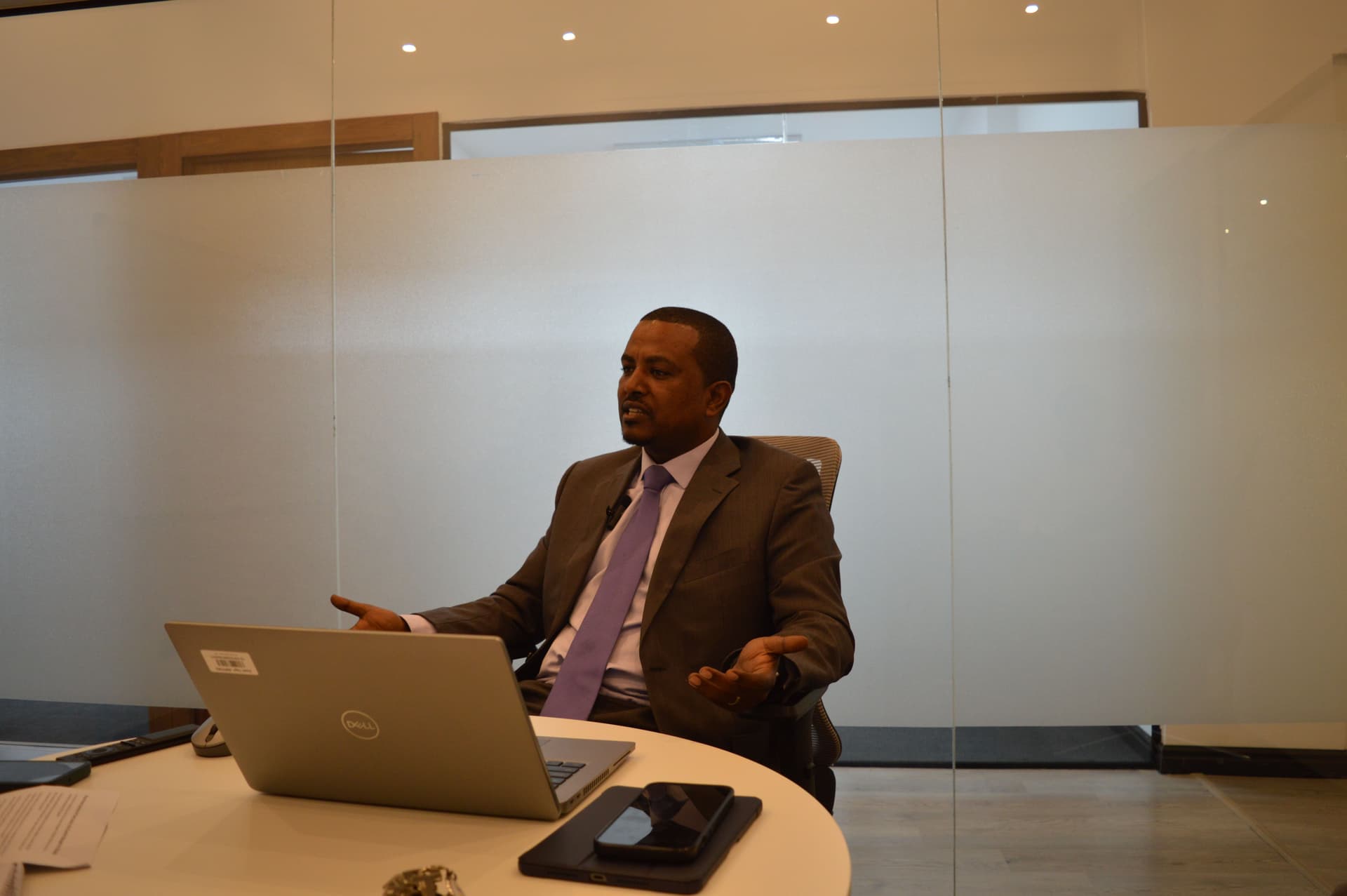
Yared sat with Shega’s editor-in-Chief Kaleab Girma for his first interview since taking office in which he shared Visa’s past achievements, ongoing initiatives, and exciting new ventures in Ethiopia.


Visa envisions to become actively involved in the local payment landscape and expand its presence beyond a mere representative office. At the same time, Visa emphasizes that it does not view itself as a direct competitor to local startups and states that local fintech startups are better equipped to address and resolve local problems.
__________
Yared: As the Visa Country Manager, I am tasked with leading the development of strategic planning in Ethiopia. Some of the fundamental questions to address within the scope of strategic planning are related to how Visa intends to operate in Ethiopia, what contributions Visa will make to the Ethiopian market, and the identification of key stakeholders along with the necessary steps for their support.
The second role of a Visa Country Manager involves business development and relationship management. It is crucial to foster the development of new partnerships with entities such as banks and fintechs while also upholding existing relationships.
Another significant task I am responsible for is the revenue generated by Visa in Ethiopia. A fundamental aspect of any successful business is its financial robustness and sustainability. Visa must prioritize its own financial stability while also considering methods to enhance revenue, both for itself and its partners. If a partner financial institution is not in a position to generate revenues from the partnership with us, the cost-benefit analysis will not be considered valuable to move forward. So, we might need to support them.
With all factors considered, I bear the responsibility for Visa’s business operations in Ethiopia. This encompasses monitoring metrics such as payment volume facilitated through Visanet, the number of merchants successfully onboarded, the extent of individuals adopting the Visa brand, as well as our involvement within global communities and related domains. These aspects collectively contribute to a core objective of ours: promoting acceptance, wherein customers seamlessly embrace Visa for their transactions, obviating the requirement for physical currency.
With its entry into the Ethiopian market, Visa brought along a wealth of experience spanning over 60 years. This expertise encompasses digital transaction practices renowned for their precision and security. Hence, our aim is to expand the issuance of cards, also referred to as credentials in industry, within the country.
Lastly, I am also responsible for public relations and maintaining the security, health, and safety of my staff.
Yared: Visa conducts robust operations across Africa. Ethiopia’s local office finds itself among the ten Visa offices present in Africa. Visa is making strides to establish a strong presence in Africa as a whole, with a particular focus on Ethiopia, the second-most populous country on the continent. This demographic factor played a pivotal role in Visa’s decision to open a local office in Ethiopia.
Since the launch, our engagement has yielded notable progress and success stories. For instance, within just one year of opening our offices, we hosted the inaugural Visa Ethiopia Digital Payment Forum. This event featured longstanding partners in Ethiopia, such as banks, and facilitated a better understanding of market interests while paving the way for the introduction of market-based products and services.
As of now, Visa serves eleven banks in Ethiopia, including the Commercial Bank of Ethiopia, Dashen Bank, and the Bank of Abyssinia. Furthermore, we have expanded our services to include value-added offerings like enabling e-commerce. This allows individuals from abroad to purchase services and products using cards without physically being present in the country.
Visa has also issued over seven million active cards and established relationships with approximately 37,000 merchants. While it’s true that starting earlier could have been advantageous, it’s noteworthy that our presence in the local market has grown significantly in a relatively short period of time.
Yared: There have been several prolific initiatives before and after the openin
Quick Links
#VisaShare this post:
Kaleab Girma
At Shega, we do more than tell stories. We help you make an impact. Our platforms, data, and expertise connect brands, organizations, and investors to the audiences and insights that matter.
Reach, engage, and grow with us.
Get in Touch
CBE Strengthens Dominance as Smaller Banks Lose Ground
20 March 2026

Ethiopia Shuts Down Entire Betting Industry, Revokes All Licenses
22 December 2025
How to Think about Financial Inclusion in Ethiopia?
17 April 2024
Latest Stories
25 February 2026
𝗖𝘂𝗽𝗶𝗱’𝘀 𝗖𝘂𝗿𝗿𝗲𝗻𝗰𝘆: 𝗚𝗹𝗼𝗯𝗮𝗹 𝗧𝗿𝗮𝗱𝗲 𝗦𝗵𝗮𝗽𝗲𝘀 𝗔𝗱𝗱𝗶𝘀 𝗔𝗯𝗮𝗯𝗮’𝘀 𝗩𝗮𝗹𝗲𝗻𝘁𝗶𝗻𝗲’𝘀 𝗗𝗮𝘆 𝗥𝗼𝘀𝗲𝘀
By Bethel TesfayeLatest Stories
𝗖𝘂𝗽𝗶𝗱’𝘀 𝗖𝘂𝗿𝗿𝗲𝗻𝗰𝘆: 𝗚𝗹𝗼𝗯𝗮𝗹 𝗧𝗿𝗮𝗱𝗲 𝗦𝗵𝗮𝗽𝗲𝘀 𝗔𝗱𝗱𝗶𝘀 𝗔𝗯𝗮𝗯𝗮’𝘀 𝗩𝗮𝗹𝗲𝗻𝘁𝗶𝗻𝗲’𝘀 𝗗𝗮𝘆 𝗥𝗼𝘀𝗲𝘀
25 February 2026


CBE Strengthens Dominance as Smaller Banks Lose Ground
20 March 2026
Ethiopia Shuts Down Entire Betting Industry, Revokes All Licenses
22 December 2025
How to Think about Financial Inclusion in Ethiopia?
17 April 2024